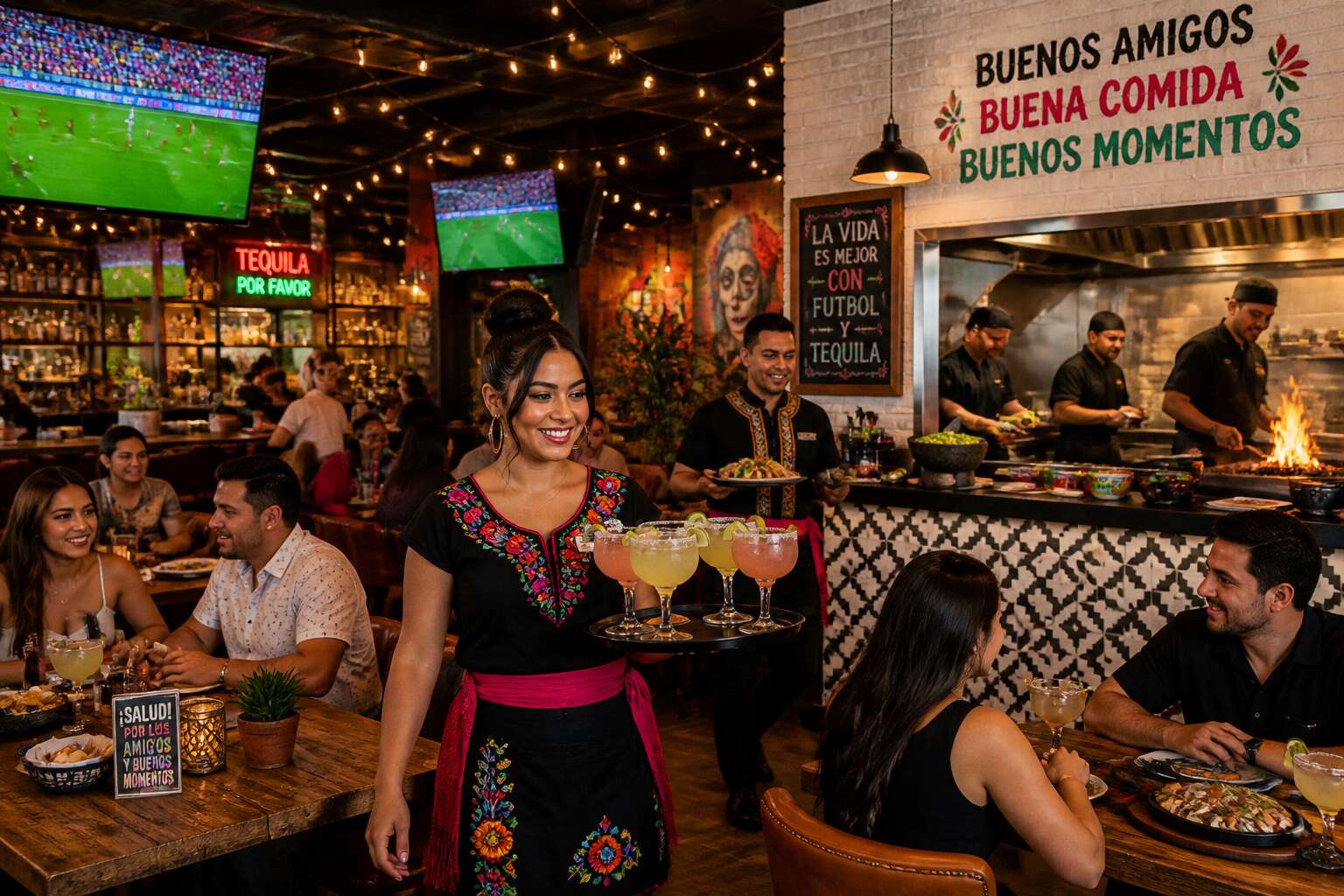
Defining the Sports Bar Mexican Fusion Concept
The concept is simple to misunderstand. A mexican restaurant like twin peaks blends high octane sport viewing with the deep, smoky comfort of street tacos and slow roasted carne asada. It is not a pub with a salsa bar tacked on. It is a place where the roar of a penalty shootout and the hiss of a fajita skillet share the same table.
I have seen this fusion work best when the space itself plays a role. Lagers and margaritas flow, while big screens command every line of sight. The kitchen has to hold its own against the drama of a last minute try.
What really defines this hybrid?
- Large format platters designed for sharing during a match.
- Quick service so you never miss an important play.
- Staff who know both the lineout calls and the difference between verde and rojo sauce.
- Sound systems that balance commentary with conversation.
A mexican restaurant like twin peaks succeeds when the energy feels unfiltered. You come for the game, but you stay for the churros. The loudness must be vibrant, not abrasive. It is a careful pairing of hunger and adrenaline, and that balance is the heart of the experience.
Essential Ambiance and Décor Elements
Stepping into a mexican restaurant like twin peaks, you feel the space before you taste the food. The lighting is low and amber, casting long shadows across wooden tables. It works because it forces focus on the people and the plates, not the empty corners. I have walked into venues that miss this entirely, leaving you staring at a washed-out wall.
The décor should feel intentional, rugged, and slightly theatrical. Think exposed brick, worn leather booths, and oversized murals that nod to Mexican heritage without turning into a cliché. The real trick is layering textures. Rough stone against smooth metal, industrial fans above hand-painted tiles. That contrast keeps the eye moving.
A few practical elements anchor the whole experience:
– Heavy, dark wood chairs that ground each table
– Warm Edison bulbs hung at eye level
– Subtle music that stays low, never competing with conversation
These details do not shout. They simply make a customer want to stay longer. And in a lively venue, that is the only metric that matters.
Building a Mexican-Inspired Menu That Satisfies
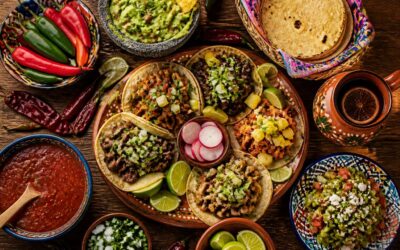
Seventy percent of diners say they crave bold flavours before they even open a menu. That is why building a menu for a mexican restaurant like twin peaks requires more than throwing together tacos and salsa. It demands balance between hearty portions and fresh heat. As someone who has designed menus for high energy venues, I know that guests want familiar comfort with a kick!
- Authentic spice blends that warm the palate, not scorch it.
- Grilled proteins with a smoky char to match the sports bar atmosphere.
- Sides like esquites and frijoles that add texture without clutter.
Each element must stand alone and pair well with a cold beer. The result is a satisfying experience that feels both indulgent and approachable.
Service Standards and Entertainment Programming
The service standard at a mexican restaurant like twin peaks hinges on anticipation, not reaction. You notice a guest’s glass nearing empty before they do. That split-second timing separates routine hospitality from something sharper. We train our floor staff to read body language and spot the hesitation that means a question is forming. It is a discipline, a quiet vigilance that carries through every shift.
Entertainment programming demands the same attention. Our stages rotate through live acoustic sets, themed trivia nights, and high-energy game day broadcasts. The schedule works in waves, so the energy never flatlines.
– Wing nights draw the crowds early.
– Weekend bands hold the late shift.
– Midweek quizzes fill the quiet gaps.
The result is a rhythm. Guests feel it the moment they step through the door, and they stay because of it.
Marketing Strategies for This Unique Dining Experience
In a crowded dining scene, grabbing attention needs more than a unique salsa recipe. A Mexican restaurant like Twin Peaks thrives by selling the whole experience, from the sizzling fajitas to the big screen rugby. The marketing strategy revolves around repeat visits and shareable moments.
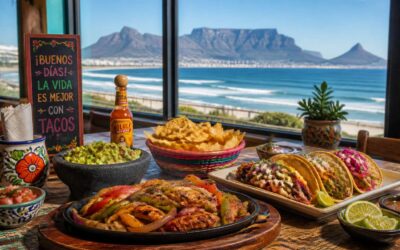
I have watched this model work well in South Africa when operators adapt it to local tastes. They lean into live sport, festive décor, and generous portions. The key is making every visit feel like an event.
- Run themed nights tied to cricket or soccer matches.
- Post short video clips of flame grilled dishes on social media.
- Offer a loyalty card that rewards frequent diners.
These tactics build a loyal following. The food is good, but the atmosphere brings people back. That is the magic of this dining concept, and it works best when marketing feels genuine!

0 Comments