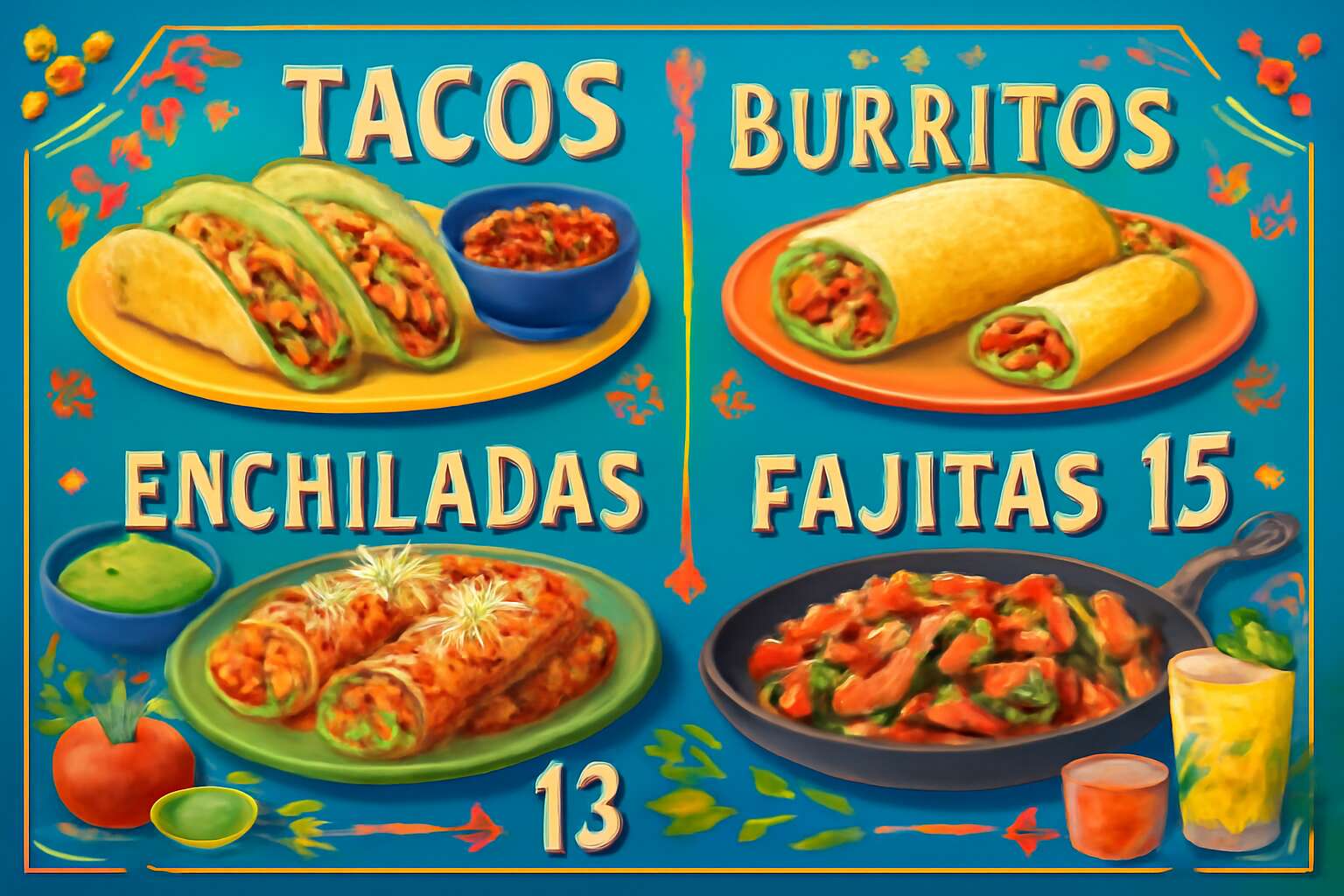
Essential Components of a Mexican Restaurant Menu
Starters and Appetizers – Popular Mexican appetizers like nachos, salsas, guacamole, and ceviche
Few culinary experiences evoke the vibrant spirit of Mexico quite like the starters and appetizers on a well-curated mexican restaurant menu. These initial offerings set the tone, tantalizing taste buds with bold flavors and colorful presentation. Among the most beloved are crispy nachos layered with melted cheese, jalapeños, and a drizzle of sour cream—an irresistible crowd-pleaser that embodies the essence of Mexican cuisine.
Complementing these are fresh salsas, ranging from fiery red tomato varieties to tangy tomatillo blends, each crafted to elevate any dish or serve as a dip. Guacamole, with its luscious avocado mash, lime zest, and hints of cilantro, often steals the show. To add a touch of sophistication, ceviche—marinated seafood cured in citrus juices—offers a refreshing contrast that speaks to the inventive spirit of Mexican culinary tradition.
While exploring a mexican restaurant menu, it’s worthwhile to note that the appetizers often include:
- Nachos with assorted toppings
- Spicy salsas and dips
- Classic guacamole
- Refreshing ceviche
These components are not merely starters but the vibrant heartbeat of Mexican cuisine, promising an authentic experience that’s as colorful as the country itself.
Main Courses – Traditional Mexican dishes such as tacos, enchiladas, burritos, and fajitas
At the heart of every authentic mexican restaurant menu lies a tapestry of main courses that celebrate tradition and innovation in equal measure. These dishes are the culinary poetry of Mexico, woven with spices, herbs, and vibrant ingredients that tell stories of centuries past and modern flair. From the iconic tacos, bursting with succulent fillings nestled in warm tortillas, to the hearty enchiladas smothered in rich, smoky sauces, each plate invites diners on a sensory journey.
Fajitas sizzle at the table, a spectacle of marinated meat and colorful peppers that evoke the lively spirit of Mexican fiestas. Burritos, wrapped in soft flour tortillas, are packed with seasoned meats, rice, beans, and salsa—an all-in-one feast that embodies comfort and complexity. A well-curated mexican restaurant menu often showcases traditional Mexican dishes that highlight regional flavors and culinary artistry.
- Classic tacos with a variety of fillings
- Enchiladas layered with cheese and chili sauce
- Burritos with tender meat and fresh vegetables
- Fajitas served sizzling with peppers and onions
These main courses are more than just sustenance; they are a celebration of Mexico’s rich gastronomic heritage, crafted to delight the palate and deepen the connection to a culture that thrives on bold flavors and passionate cooking. Exploring a mexican restaurant menu reveals this vibrant spectrum, where each dish is a testament to the country’s culinary soul.
Vegetarian and Vegan Options – Plant-based Mexican dishes and accommodating dietary preferences
Modern Mexican cuisine is a vibrant tapestry that extends beyond traditional animal-based dishes, embracing plant-based options that cater to diverse dietary preferences. An authentic Mexican restaurant menu often features inventive vegetarian and vegan dishes that explode with flavor and color, proving that plant-based eating can be just as satisfying as classic fare. Whether it’s smoky chipotle portobello fajitas or hearty stuffed peppers, these dishes honor Mexico’s rich culinary heritage while inviting everyone to partake in the fiesta.
Accommodating dietary preferences is no longer an afterthought but a core element of a well-curated mexican restaurant menu. Many establishments now highlight plant-based Mexican dishes such as vegan tacos with jackfruit or tempeh, vegan quesadillas filled with melted plant-based cheese, and zesty veggie-filled enchiladas. By doing so, they ensure that every guest finds something delicious to enjoy, celebrating Mexico’s vibrant flavors without compromise.
- Freshly prepared guacamole with diced tomatoes and herbs
- Colorful salads featuring roasted vegetables and spicy salsas
- Hearty vegan burritos packed with rice, beans, avocado, and zesty seasonings
Seafood Selections – Fresh seafood dishes like seafood tacos, ceviche, and fish Veracruz
Seafood is the hidden jewel of an authentic Mexican restaurant menu, offering a tantalizing escape from the familiar. Fresh seafood dishes like ceviche, seafood tacos, and fish Veracruz are not only vibrant but also showcase Mexico’s rich maritime heritage. These dishes burst with flavors from zesty citrus marinades to smoky spices, creating a sensory experience that’s hard to forget.
In many traditional Mexican eateries, seafood is prepared with a meticulous touch, emphasizing freshness and bold flavors. Popular options often include seafood tacos filled with shrimp or octopus, layered with fresh salsas and tangy citrus. For something more elaborate, fish Veracruz combines tender fish with tomatoes, olives, and capers, simmered in a rich, flavorful sauce that embodies Mexico’s coastal culinary artistry.
To elevate the seafood experience, some menus feature
- grilled fish fillets
- seafood stews
- shrimp and scallop combinations
that highlight the versatility of Mexican seafood cuisine. When curated thoughtfully, these dishes seamlessly integrate into a comprehensive Mexican restaurant menu, offering guests a diverse and satisfying seafood journey that captures the essence of Mexico’s vibrant coastlines.
Soups and Stews – Classic options including pozole, menudo, and tortilla soup
When it comes to a truly authentic mexican restaurant menu, soups and stews are the unsung heroes that warm the soul and ignite the taste buds. These dishes are steeped in tradition, each with a story as rich as their flavors. Take pozole, for example—this hearty, hominy-based stew is a staple that’s been enjoyed for centuries, offering a comforting blend of tender pork, vibrant chilies, and a splash of lime. Menudo, another classic, is a spicy, tripe-based soup that’s often hailed as a cure-all and a social event rolled into one. Then there’s tortilla soup, a zesty, tomato-infused concoction topped with crispy tortilla strips, cheese, and fresh herbs, perfect for those who like a little crunch with their warmth.
Many mexican restaurant menus feature these timeless options, each prepared with meticulous care to preserve their cultural authenticity. For a more structured approach, some menus highlight these soups and stews in a numbered list, making it easier for diners to choose their favorite:
- Pozole — the iconic hominy and pork stew
- Menudo — the spicy tripe soup with a rich, flavorful broth
- Tortilla soup — the zesty tomato base topped with crispy strips
Whether served as a starter or a main course, these soups and stews embody the vibrant, bold spirit of Mexican cuisine and are essential components of a comprehensive mexican restaurant menu. They’re more than just comfort food—they’re a delicious journey through Mexico’s culinary history, one spoonful at a time.
Sides and Salsas – Complementary items like rice, beans, chips, and various salsas
Amid the vibrant tapestry of a truly authentic mexican restaurant menu, the significance of sides and salsas cannot be overstated. These essential components serve as the soul-stirring accompaniments that elevate every bite into a celebration of Mexican culinary artistry. Imagine a platter—fluffy rice, creamy beans, and crisp chips—each piece waiting to be dipped into an array of salsas, from fiery red to tangy verde, each bursting with flavor and tradition.
Variety is the heartbeat of these offerings. A well-curated mexican restaurant menu often features a selection of salsas that complement the bold spices—some smoky, others refreshingly tangy. These condiments are not mere add-ons; they are the poetry of Mexican cuisine, transforming simple dishes into an intricate dance of flavors. Whether served as a side or a dip, salsas and sides bring harmony and depth, inviting diners to partake in a sensory journey that is as rich and layered as the country’s history.
For those seeking an authentic experience, the sides are thoughtfully prepared to balance the heat and spice, creating a symphony of textures and tastes. From seasoned rice to savory beans, each element on the mexican restaurant menu is designed to complement the main courses, weaving a seamless culinary narrative that celebrates Mexico’s rich gastronomic heritage.
Desserts – Sweet treats like churros, flan, and Mexican chocolate mousse
Mexican restaurant menus are renowned for their vibrant, sweet finales that leave a lasting impression. Desserts like churros, flan, and Mexican chocolate mousse are more than just treats—they are a celebration of Mexico’s rich culinary heritage. These decadent offerings provide the perfect conclusion to a flavorful meal, balancing the heat and spice with sweetness and comfort.
Churros, crispy on the outside yet tender within, are often dusted with cinnamon sugar and served with chocolate or caramel dipping sauces. Flan, with its silky smooth texture and caramelized top, offers a divine contrast to the bold flavors of main courses. Meanwhile, Mexican chocolate mousse combines the deep, nuanced flavors of traditional Mexican chocolate with airy elegance, creating a dessert that feels both indulgent and authentic.
Many Mexican restaurant menus also feature seasonal or regional desserts that reflect local customs, making each dining experience unique. Whether you crave the comforting sweetness of a classic flan or the crispy delight of churros, these desserts elevate the overall culinary journey, inviting diners to indulge in Mexico’s sweet side. Every bite is a reminder that in Mexican cuisine, even the desserts are crafted with passion, tradition, and a touch of magic.
Drinks – Mexican beverages including margaritas, horchata, and Mexican sodas
When exploring a typical Mexican restaurant menu, drinks are often the unsung heroes that elevate the culinary experience from delicious to downright intoxicating. Mexican beverages like margaritas, horchata, and Mexican sodas are more than mere refreshments—they’re cultural icons that perfectly complement the bold flavors of every dish. A perfectly crafted margarita, with its tangy lime and splash of tequila, can turn an ordinary meal into a fiesta. Meanwhile, horchata, a sweet rice-based drink infused with cinnamon, offers a cool, creamy respite from the spice-filled main courses. Mexican sodas, with their nostalgic fizz and vibrant flavors, provide an authentic touch that keeps diners coming back for more.
A well-curated Mexican restaurant menu often features these beverages to balance heat and spice with refreshing sweetness and zest. Whether you prefer the classic tang of a margarita or the comforting sweetness of horchata, these drinks are essential for creating an immersive Mexican dining experience. They serve as the perfect accompaniment, ensuring every sip enhances the flavors on your plate while immersing you deeper into Mexico’s vibrant culinary culture.
Popular Mexican Dishes to Feature on Your Menu
Tacos – Varieties, fillings, and traditional toppings
When it comes to crafting an authentic mexican restaurant menu, few dishes evoke as much passion and excitement as tacos. These handheld marvels are a cornerstone of Mexican cuisine, offering endless possibilities for flavor and creativity. From street-style tacos al pastor with succulent pork marinated in adobo to vegetarian options filled with grilled vegetables and beans, the variety is astounding. Traditional toppings like chopped onions, fresh cilantro, a squeeze of lime, and a drizzle of salsa complete each bite, creating an irresistible harmony of flavors.
Highlighting the diversity of tacos on your mexican restaurant menu not only attracts a wide audience but also showcases the rich culinary heritage behind each dish. Consider offering signature tacos that feature unique fillings—such as seafood, carne asada, or even vegan jackfruit—to cater to different tastes. This approach transforms a simple dish into a culinary journey, making your menu stand out in a competitive landscape. Incorporating these elements will ensure your mexican restaurant menu leaves a memorable impression on every guest who walks through your doors.
Enchiladas – Types of enchiladas and typical sauce options
Enchiladas represent the soul of a well-curated mexican restaurant menu, offering a compelling fusion of tradition and innovation. Their versatility makes them a perennial favorite, with varieties that span from the classic chicken enchiladas smothered in a rich, smoky red sauce to the more contemporary spinach and cheese rendition topped with a tangy green sauce. The type of sauce plays a pivotal role in defining each dish, with options such as mole, salsa verde, and enchilada sauce providing a spectrum of flavor profiles that evoke both comfort and excitement.
In crafting an authentic mexican restaurant menu, highlighting these diverse enchilada options can captivate the palate of every guest. The layered complexity of flavors—spicy, savory, and sometimes subtly sweet—mirrors the depth of Mexican culinary artistry. Incorporating unique twists, like seafood or vegan fillings, alongside traditional ingredients, transforms this familiar dish into a culinary odyssey, inviting diners to explore the rich tapestry of Mexican cuisine.
Burritos – Different fillings and regional variations
Mexican cuisine boasts a tapestry of flavors, and nothing exemplifies this more than the beloved burrito. This handheld marvel is a staple on any authentic mexican restaurant menu, offering endless possibilities for fillings. From tender carne asada to spicy chorizo, the variety can cater to every craving. Regional variations across Mexico add layers of depth—think the hefty, rice-filled burritos of Baja or the more minimalist, fresh seafood versions along the coast.
What truly sets burritos apart is their ability to adapt. They can be loaded with beans, rice, cheese, and salsa, or feature more adventurous ingredients like grilled vegetables or even vegan-friendly options. Popular fillings often include seasoned chicken, beef, pork, or vegetarian mixes, creating a dynamic experience for diners seeking both comfort and novelty.
- Classic beef and bean burritos
- Seafood options inspired by coastal regions
- Vegetarian and vegan fillings for plant-based diets
Incorporating these diverse burrito options into your mexican restaurant menu not only celebrates tradition but also invites culinary exploration. Each bite offers a glimpse into Mexico’s rich regional heritage, adding a layer of excitement that keeps guests coming back for more.
Fajitas – Choice of meats and vegetarian options
Fajitas are a vibrant cornerstone of any authentic mexican restaurant menu, offering an interactive dining experience that ignites the senses. Imagine sizzling strips of seasoned meat—beef, chicken, or pork—paired perfectly with colorful peppers and onions, all ready to be wrapped in warm tortillas. The beauty of fajitas lies in their versatility; they cater to a multitude of dietary preferences, including vegetarian options that feature grilled vegetables or plant-based protein alternatives. This adaptability makes fajitas an irresistible choice for diverse palates.
For those seeking variety, many mexican restaurant menus also showcase signature fajita combinations, blending different meats or offering a delightful mix of vegetarian and seafood options. Whether it’s tender chicken marinated in smoky spices or succulent shrimp coated in zesty sauces, fajitas transform a simple meal into a fiesta of flavors. Their customizable nature ensures each guest can craft a personalized culinary masterpiece, making fajitas a perennial favorite among diners craving both tradition and innovation.
Tamales – Traditional preparation and serving suggestions
Few dishes evoke the essence of Mexican cuisine quite like tamales. These traditional treats are crafted from masa (corn dough) filled with savory or sweet ingredients, then wrapped in corn husks and steamed to perfection. Authentic preparation emphasizes quality ingredients and careful technique, resulting in a tender, flavorful bite that captures the heart of Mexican culinary heritage.
Serving tamales on a Mexican restaurant menu offers a versatile experience. They’re often presented with a side of rich salsa or spicy mole, elevating their warm, comforting profile. Tamales can be filled with anything from shredded pork or chicken to cheese and chilies, making them adaptable for various tastes. Many eateries also include vegetarian options, such as those stuffed with roasted vegetables or plant-based proteins, catering to diverse dietary preferences.
For a traditional touch, consider offering tamales as part of a festive platter or alongside other regional specialties. Their hearty nature and cultural significance make them a standout choice. Whether served as a starter or main course, tamales add an authentic flavor that enriches any Mexican restaurant menu and delights diners seeking genuine Mexican flavors.
Quesadillas – Cheese and meat-filled variations
Among the many enticing offerings on a traditional Mexican restaurant menu, quesadillas stand out as a beloved staple that captures the heart of authentic Mexican cuisine. These crispy, golden tortillas are generously filled with melted cheese and optional savory ingredients, creating a comforting and flavorful experience with every bite. The beauty of quesadillas lies in their versatility—they can be simple or loaded with fillings like seasoned chicken, beef, or chorizo, making them perfect for any palate.
For those seeking variety, many Mexican restaurant menus feature a range of quesadilla options. Some establishments serve vegetarian quesadillas stuffed with roasted vegetables and beans, appealing to diverse dietary preferences. Others offer spicy jalapeños, smoky chipotle, or tangy salsa atop their creations, adding layers of flavor. Whether as a quick appetizer or a hearty main course, quesadillas elevate any dining experience with their rich textures and authentic taste.
- Cheese and meat-filled quesadillas
- Vegetarian options with roasted vegetables
- Spicy toppings like jalapeños or salsa verde
Incorporating quesadillas into a Mexican restaurant menu not only celebrates traditional flavors but also invites diners to enjoy a timeless dish that is as satisfying as it is authentic. Their irresistible appeal makes them a must-have for any culinary showcase of Mexican dishes.
Chiles Rellenos – Stuffed peppers with rich sauces
In the vibrant tapestry of a well-curated Mexican restaurant menu, Chiles Rellenos emerge as an emblem of culinary sophistication and deep-rooted tradition. These stuffed peppers are not merely a dish; they are an experience—an intricate dance of smoky, tender chilies enveloped in a rich, velvety sauce that invites both comfort and celebration. The allure lies in their versatility, with options ranging from classic cheese-stuffed varieties to more elaborate fillings like picadillo or seasoned beef, making them a perennial favorite among diners seeking authentic Mexican flavors.
Chiles Rellenos symbolize the artistry of Mexican cuisine—where bold, layered flavors elevate simple ingredients into a sensory journey. Their presentation on a Mexican restaurant menu often hints at a deeper cultural narrative, blending spice, heat, and richness into each bite. Whether served as a starter to ignite the palate or as a hearty main course, these stuffed peppers continue to captivate, embodying the soul of traditional Mexican cooking with every mouthful.
Designing an Authentic Mexican Restaurant Menu
Authentic Flavor Descriptions – Using vivid descriptions and authentic terminology
A meticulously crafted Mexican restaurant menu transforms a simple dining experience into an evocative journey through Mexico’s rich culinary tapestry. Authentic flavor descriptions serve as the soul of this menu, inviting patrons to savor each dish with vivid imagery and precise terminology. When describing a mole sauce, for instance, emphasizing its complex layers—smoky, spiced, and subtly sweet—can elevate the anticipation. Such descriptions not only tantalize the palate but also foster an emotional connection to the cuisine, making the menu an immersive narrative.
Using authentic terminology—words like “tamal,” “chile en nogada,” or “queso fresco”—anchors the menu firmly in cultural authenticity. These terms resonate deeply with diners seeking genuine Mexican flavors and create a sense of trustworthiness. Incorporating descriptive adjectives such as “zesty,” “earthy,” and “succulent” helps paint a sensory picture that appeals to the reader’s imagination. By thoughtfully blending these elements, a Mexican restaurant menu becomes more than a list; it evolves into a compelling story that beckons customers to explore every flavorful corner of Mexico’s gastronomic heritage.
Visual Appeal – Using vibrant colors and appetizing images
In the vibrant tapestry of a Mexican restaurant menu, visual appeal is as essential as the flavors themselves. Bright, bold colors like fiery reds, zesty greens, and warm oranges evoke the warmth of Mexico’s sun-drenched landscapes, instantly capturing the diner’s imagination. When these colors are paired with appetizing images—succulent tacos bursting with fresh toppings or steaming bowls of pozole—an irresistible invitation is extended to every guest.
A thoughtfully crafted Mexican restaurant menu doesn’t just list dishes; it paints a sensory journey. Incorporating authentic imagery of traditional items like chiles en nogada or tamales wrapped in banana leaves can stir a craving so visceral that it feels almost tangible. These visual cues ignite a sense of adventure, encouraging diners to explore every corner of Mexico’s culinary heritage.
To elevate the visual allure further, consider the strategic use of design elements—such as ornate borders reminiscent of Mexican folk art or elegant typography echoing the country’s rich cultural history. The result is a menu that not only showcases the authenticity of the cuisine but also becomes a captivating visual narrative. This enchanting presentation transforms the simple act of ordering into a delightful feast for the senses, inviting all to indulge in Mexico’s colorful culinary tradition!
Pricing Strategies – Competitive yet fair pricing to attract diverse customers
In the fiercely competitive world of dining, a well-balanced pricing strategy can make or break a Mexican restaurant menu’s success. Striking the right chord between competitive and fair pricing invites a broader spectrum of customers, from eager foodies to curious newcomers. When prices appear aligned with the quality and authenticity of your dishes, diners are more likely to indulge without hesitation. This delicate balance fosters loyalty and encourages repeat visits, ensuring your restaurant remains top-of-mind in a bustling culinary landscape.
To craft an irresistible Mexican restaurant menu, consider segmenting your offerings into tiers. For example:
- Premium authentic dishes priced slightly higher, emphasizing quality ingredients and traditional preparation.
- Affordable staples that appeal to budget-conscious guests seeking a genuine Mexican experience.
By thoughtfully designing your pricing strategies, you can effectively cater to diverse customer preferences, turning your menu into a captivating journey through Mexico’s vibrant flavors while maintaining profitability. The key lies in understanding your target audience and positioning your menu to reflect both authenticity and accessibility—an art that transforms a simple list of dishes into a compelling culinary narrative.
Menu Organization – Logical categorization for easy navigation
Crafting a compelling Mexican restaurant menu is an exercise in both artistry and strategy. The way you organize your offerings influences not just the flow of the dining experience but also how customers perceive your authenticity and value. A well-structured menu acts as a visual roadmap, guiding guests seamlessly from appetizers to desserts, making their journey through Mexico’s vibrant flavors effortless and enticing.
Logical categorization is paramount. For example, grouping dishes into sections like “Starters,” “Main Courses,” and “Sides” creates a natural progression that encourages exploration. Incorporating a dedicated section for vegetarian and vegan options signals inclusivity, while seafood selections highlight regional specialties. When each category is thoughtfully curated, it elevates the entire Mexican restaurant menu from mere list to an immersive cultural experience.
To enhance navigation further, consider adding descriptive headings and vivid dish descriptions that evoke the senses. This not only improves readability but also deepens the connection between the diner and the cuisine. An effective menu is more than a list—it’s an invitation, a story that beckons diners to indulge in Mexico’s rich culinary tapestry.
Specialty Sections – Including chef’s specialties or regional dishes
Crafting an authentic Mexican restaurant menu is an art form that celebrates regional flavors and culinary heritage. One of the most captivating ways to elevate your menu is by designing specialty sections that highlight chef’s specialties or regional dishes. These sections serve as culinary gems, offering diners a taste of Mexico’s diverse landscapes—from the spicy allure of Oaxacan molotes to the hearty richness of Yucatecan cochinita pibil.
Including a dedicated section for chef’s specialties not only showcases your culinary expertise but also invites guests on a flavorful journey through Mexico’s vibrant regions. Consider featuring dishes like mole poblano, crafted with intricate spice blends, or Baja-style fish tacos, bursting with coastal freshness. To add depth, you might incorporate regional dishes such as chiles en nogada, wrapped in a silky walnut sauce, or tamales with fillings that tell stories of local traditions.
- Highlight unique ingredients and cooking techniques
- Share authentic descriptions that evoke senses and memories
- Use vibrant imagery to capture the essence of each specialty
By thoughtfully curating these specialty sections within your Mexican restaurant menu, you transform a simple list into a cultural tapestry—an immersive experience inviting guests to explore Mexico’s culinary soul. This strategic focus not only distinguishes your establishment but also deepens the connection between the diner and the rich tapestry of regional Mexican cuisine.
Customization Options – Build-your-own dishes and dietary accommodations
Designing an authentic Mexican restaurant menu is an art that calls for creativity and cultural reverence. One of the most captivating ways to elevate your menu is by offering customization options that resonate with diners’ individual tastes and dietary needs. Build-your-own dishes, for instance, invite guests to craft their culinary experience, selecting from a vibrant palette of ingredients and flavors. This not only enhances engagement but also showcases the versatility of Mexican cuisine.
Incorporating dietary accommodations within your Mexican restaurant menu demonstrates inclusivity and attentiveness to diverse preferences. Whether it’s gluten-free, vegan, or low-carb options, thoughtful modifications can transform traditional dishes into personalized delights. Imagine a guest’s joy when they customize a burrito with plant-based fillings or choose gluten-free tortillas—such moments forge lasting memories.
A well-curated Mexican restaurant menu that emphasizes customization creates an immersive, sensory-rich experience—where each plate tells a story, and every guest feels like part of Mexico’s vibrant culinary tapestry.
Incorporating Mexican Culinary Culture into Your Menu
Regional Flavors – Highlighting dishes from different Mexican regions
Authentic Mexican cuisine is a tapestry woven from diverse regional flavors, each telling its own story through vibrant ingredients and traditional techniques. Incorporating regional dishes into your mexican restaurant menu not only elevates the dining experience but also demonstrates a deep respect for Mexico’s culinary heritage. From the smoky moles of Oaxaca to the zesty ceviches of the coastal Yucatán, these dishes resonate with authenticity and cultural pride.
Highlighting regional flavors can be achieved by featuring dishes like Pambazo from the Valley of Mexico, a savory bread soaked in chili sauce, or the hearty cochinita pibil from the Yucatán, renowned for its slow-roasted pork marinated in achiote. Including such items on your mexican restaurant menu invites guests to explore the country’s culinary diversity firsthand. This approach creates a layered dining journey—each bite revealing a story rooted in Mexico’s rich regional tapestry.
By weaving regional flavors into your menu, you provide a portal into Mexico’s culinary soul—an experience that’s both authentic and unforgettable. Whether it’s a spicy tlayuda from Oaxaca or a tangy ceviche from Baja California, these dishes serve as a delicious gateway to the country’s culinary heritage, making your mexican restaurant menu truly stand out in a competitive landscape.
Traditional Ingredients – Using authentic spices, peppers, and herbs
In the vibrant tapestry of Mexican cuisine, traditional ingredients serve as the heartbeat that pulses through every dish. When crafting a compelling mexican restaurant menu, embracing authentic spices, peppers, and herbs transforms each plate into a celebration of Mexico’s rich culinary heritage.
Imagine the fiery kick of fresh jalapeños, the smoky depth of chipotle, or the fragrant aroma of cilantro—each element contributes to an experience that feels both genuine and unforgettable. Incorporating these traditional ingredients not only elevates the flavor profile but also pays homage to centuries of culinary artistry. For a truly immersive journey, consider highlighting dishes that showcase regional staples like the earthy flavor of ancho chiles or the bright zest of epazote.
By weaving these elements into your menu, you invite diners to savor authentic tastes and discover the soul of Mexican cuisine. A well-curated mexican restaurant menu, rich in traditional ingredients, becomes more than just a list—it becomes a portal into Mexico’s vibrant culinary universe, captivating all who dine within its flavorful embrace!
Cultural Significance – Sharing stories behind dishes for an educational touch
The heart of a truly memorable mexican restaurant menu beats with stories—tales woven through generations of culinary heritage that invite diners to journey beyond mere sustenance. Each dish, crafted with care, becomes a narrative of culture, history, and artistry, transforming a simple meal into an immersive experience. When you incorporate these stories into your menu, you do more than list ingredients; you create a tapestry of cultural significance that resonates deeply with every guest.
For example, sharing the origins of mole sauce—an intricate blend of chilies, spices, and chocolate—illuminates the rich history of Mexican cuisine and its complex flavors. Highlighting regional specialties, such as the fiery chiles en nogada or the hearty pozole, enriches the dining experience. These stories serve as an educational touch, allowing guests to appreciate the symbolism and tradition behind each dish, turning your mexican restaurant menu into a celebration of Mexican cultural identity.
In this way, the culinary journey extends beyond taste, fostering a connection that respects and honors Mexico’s vibrant heritage. A well-curated mexican restaurant menu becomes more than a list—it becomes a vessel that carries cultural narratives, awakening curiosity and admiration in every palate that dares to explore its depths.
Seasonal and Local Ingredients – Adapting menu based on seasonal availability
Incorporating seasonal and local ingredients into your mexican restaurant menu is a powerful way to celebrate authentic Mexican culinary culture while embracing sustainability. When menus are adapted to the availability of fresh produce, it not only enhances flavor but also deepens the connection to regional traditions. For instance, using ripe, locally sourced chiles or herbs during peak harvest ensures each dish bursts with vibrant, genuine taste.
By aligning your menu with seasonal ingredients, you also demonstrate a commitment to freshness, which customers increasingly value. This practice allows chefs to craft innovative versions of classic dishes such as tacos or enchiladas that reflect the region’s bounty. A thoughtfully curated mexican restaurant menu that highlights seasonal ingredients can elevate your establishment’s reputation by offering dishes that are both delicious and rooted in Mexican culinary heritage.
To maintain variety, consider rotating key ingredients or regional specialties throughout the year. This not only keeps your menu exciting but also educates diners on the diverse flavors across Mexico’s different regions. Incorporating these elements creates a dynamic dining experience that respects traditional techniques and celebrates the seasonal richness of Mexican cuisine.
SEO Tips for Promoting Your Mexican Restaurant Menu Online
Keyword Optimization – Using keywords like ‘authentic Mexican dishes’ and ‘Mexican cuisine menu’
When it comes to promoting a mexican restaurant menu online, keyword optimization isn’t just a buzzword — it’s the secret sauce that turns casual browsers into loyal customers. Incorporating keywords like ‘authentic Mexican dishes’ and ‘Mexican cuisine menu’ seamlessly into your website content helps search engines understand what makes your restaurant special. A well-crafted SEO strategy ensures that when someone searches for a “Mexican restaurant menu,” your establishment rises to the top of the results, tantalizing their taste buds before they even step through the door.
To boost visibility, sprinkle these keywords naturally across your menu descriptions, blog posts, and meta tags. Think of your website as a vibrant mercado — colorful, inviting, and full of flavor. Use descriptive language that captures the essence of your dishes, like “spicy chiles” or “rich, velvety sauces,” to enhance keyword relevance and appeal. Remember, a balanced mix of keyword density and engaging copy is key to making your online presence as irresistible as your authentic Mexican dishes.
Local SEO Strategies – Including location-specific keywords
In the digital age, a compelling online presence can make or break a Mexican restaurant’s success. With South Africans increasingly seeking authentic flavors, your Mexican restaurant menu must serve not just delicious dishes but also strategic visibility. Location-specific keywords such as “Cape Town Mexican restaurant menu” or “Johannesburg Mexican cuisine menu” aren’t mere embellishments—they’re essential anchors that tether your culinary story to local search intent. When optimized thoughtfully, these keywords help elevate your establishment above the clutter, drawing in patrons craving the vibrant tapestry of Mexican flavors.
Incorporating keywords naturally into your website’s descriptions, meta tags, and blog posts transforms your digital footprint into a magnet for hungry explorers. Remember, search engines are attuned to context and authenticity; therefore, blending descriptive language with keywords creates an inviting narrative. For example, highlighting “spicy chiles” or “rich, velvety sauces” within your menu descriptions enhances relevance and entices the reader’s senses. The goal isn’t keyword stuffing but a harmonious balance—an artful dance that makes your Mexican restaurant menu irresistibly discoverable and representative of genuine Mexican culinary tradition.
To bolster local SEO, consider embedding location-specific keywords throughout your content—perhaps in headers, image alt texts, or even within customer reviews. A well-crafted strategy ensures that when South Africans search for “authentic Mexican dishes near me,” your menu surfaces at the top of the results. This visibility not only increases foot traffic but also affirms your commitment to delivering an authentic experience rooted in regional flavors and ingredients. Ultimately, the right SEO approach transforms your digital showcase into a portal that beckons patrons to indulge in the vibrant, soulful world of your Mexican restaurant menu.
High-Quality Photos and Descriptions – Enhancing online menu appeal
In the digital realm, where a click can determine your restaurant’s fate, the power of high-quality photos and evocative descriptions cannot be overstated. They serve as the portal through which potential patrons glimpse the soul of your Mexican restaurant menu. An image, vibrant and meticulously curated, awakens the senses—inviting viewers to taste the fiery chiles or savor the silky richness of traditional moles. Meanwhile, compelling descriptions anchor these visuals in authenticity, transforming mere pictures into a narrative of cultural richness.
To elevate your online menu’s appeal, consider implementing a strategic approach:
- Use professional photography that captures the vivid colors and textures of each dish.
- Write descriptions that evoke the aroma and taste—think “smoky chipotle peppers” or “tangy, zesty salsa” — making the food irresistible even before the first bite.
Integrating these elements naturally into your website not only enhances visual allure but also improves your SEO. When your mexican restaurant menu features authentic, detailed descriptions alongside captivating imagery, it resonates more deeply with search engines and hungry customers alike. Remember, every image and word is an invitation—an opportunity to showcase the vibrant tapestry of Mexican flavors and traditions that define your culinary identity.
Customer Reviews and Testimonials – Boosting credibility and SEO rankings
In today’s digital age, customer reviews and testimonials are the heartbeat of a thriving Mexican restaurant menu. Authenticity and credibility are paramount when enticing new patrons, and nothing builds trust like genuine feedback from fellow diners. Positive reviews serve as powerful endorsements, transforming curious browsers into loyal customers eager to experience the vibrant flavors of Mexican cuisine.
Including testimonials on your website not only humanizes your brand but also enhances your SEO ranking. Search engines prioritize fresh, relevant content, and customer voices add that vital layer of authenticity. To boost your online presence, consider showcasing reviews that highlight authentic dishes and exceptional service.
- Encourage satisfied guests to share their experience online.
- Feature detailed testimonials that mention specific menu items like tacos, enchiladas, or ceviche.
- Respond to reviews to demonstrate engagement and appreciation.
By weaving customer reviews into your website, you create a narrative of credibility that resonates with search engines and hungry food lovers alike. Every testimonial becomes a story—a testament to the rich tapestry of flavors and traditions that define your Mexican restaurant menu. This approach not only elevates your digital visibility but deepens the connection with your community, making your restaurant the go-to spot for authentic Mexican cuisine.
Content Marketing – Blog posts about Mexican recipes and cultural insights
In the fiercely competitive world of South African culinary scenes, the secret to standing out is often hidden in the details of your online presence. A well-crafted SEO strategy for your Mexican restaurant menu can transform curious visitors into loyal patrons. Incorporating compelling blog posts about Mexican recipes and cultural insights invites search engines to recognize your site as an authority on authentic Mexican cuisine. These narratives not only educate but also deepen the connection between your restaurant and potential customers.
One effective approach is to use targeted keywords like “Mexican restaurant menu” organically within your content. For example, sharing stories behind regional dishes or traditional ingredients can elevate your menu’s appeal while boosting search engine rankings. Remember, high-quality photos paired with vivid descriptions of your dishes create visual allure, enticing hungry visitors to explore your offerings further.
Engaging blog content about Mexican cuisine—covering everything from the history of chiles rellenos to the artistry of crafting perfect tacos—can serve as a silent ambassador for your brand. By weaving these cultural insights seamlessly into your content marketing, your Mexican restaurant menu becomes more than just a list of dishes; it becomes an experience that beckons online visitors with authentic flavors and compelling stories. This layered approach enhances visibility and ensures your restaurant remains top-of-mind for those craving genuine Mexican fare in South Africa.

0 Comments