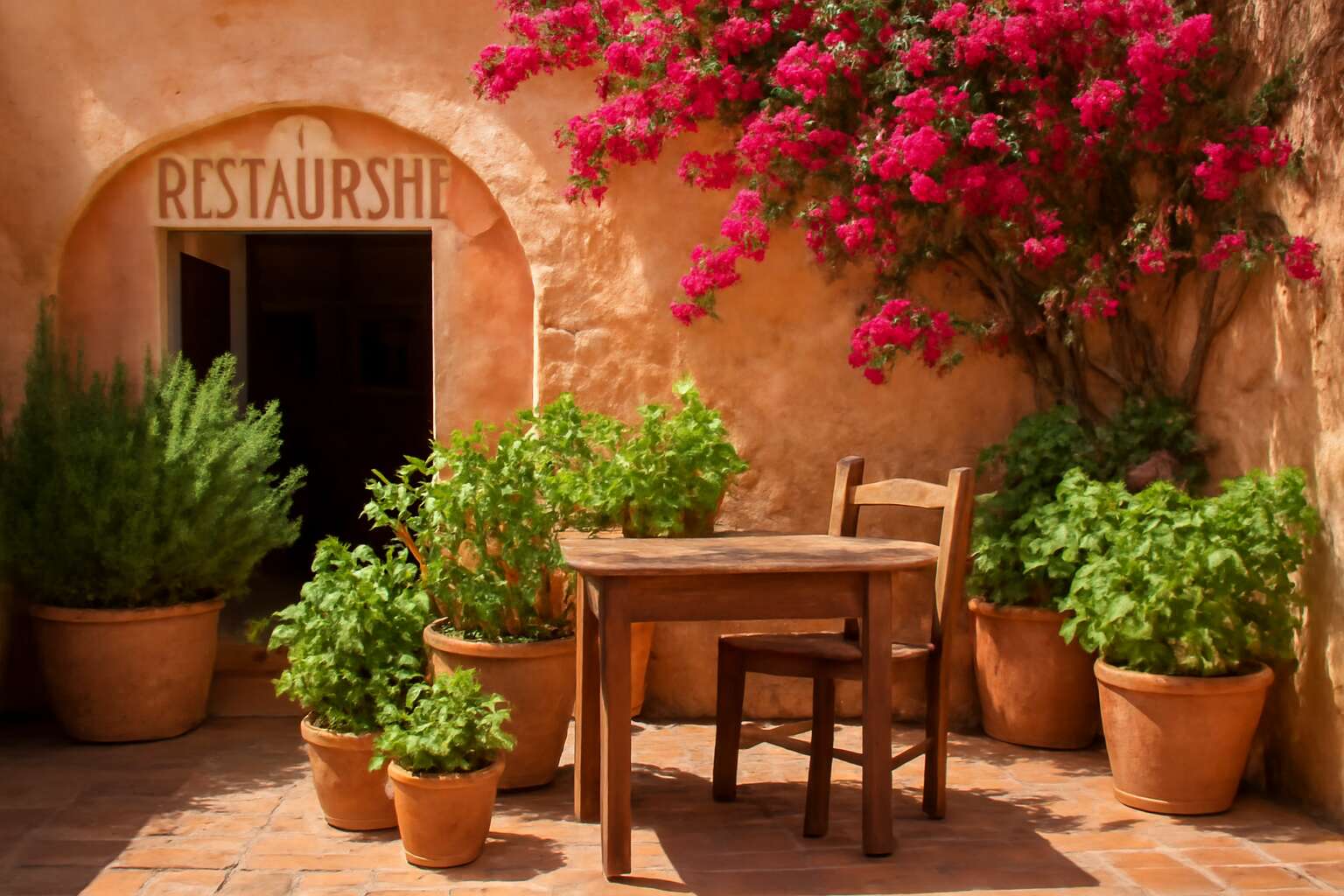
Garden Design and Planting for Mexican Restaurants
Garden Design and Layout for Mexican Restaurants
Bright blooms and warm brick define the magic of mexican restaurant gardens. ‘Plants are the quiet partners of great meals,’ says a seasoned landscape designer, and the truth lands on the palate with a wink.
Garden design and layout for Mexican restaurants hinge on flow and microclimates. In South Africa, a careful choreography of shade and sun unfolds; drought-smart natives and permeable paving keep diners comfortable as lanterns glow after sunset.
Consider these elements that weave form and flavor into the dining experience:
- Terracotta pots and warm, earthy tones
- Fragrant herbs that cross from prep to plate
- Native shrubs for resilience in sun and wind
- Subsurface drip irrigation for gentle, efficient watering
From sun-drenched courtyards to cool alcoves, the garden becomes a living stage where conversations rise with the scent of citrus and coriander.
Herbs, Vegetables, and Flavor Foundations
Patio tables that whisper with citrus-scented air aren’t just decoration—they drive desire. Observers note al fresco meals bloom when edible spaces add texture to the night. A hospitality study found restaurants with edible spaces see a 15% uptick in table turnover and a 10% lift in repeat visits. In South Africa, these mexican restaurant gardens become a living menu: the scent of lime and cilantro drifts through warm brick and braai-scented evenings, while conversations rise like a well-timed punchline.
- cilantro
- epazote
- Mexican oregano
Herbs and vegetables here serve as flavor foundations, threading from prep to plate in quiet, aromatic ways. Think cilantro, epazote, and Mexican oregano—culinary staples that carry brightness, earth, and warmth into salsa, tacos, and finishing oils. Together, the greens and peppers form a scented stage where sun-kissed produce meets the table with a wink.
Sustainability and Sourcing in Gardened Mexican Restaurants
Under South African skies, the garden behind a Mexican kitchen becomes a patient creature of flavor. The recent hospitality study shows edible spaces boost table turnover by 15% as guests linger among greens that whisper with citrus and smoke. Mexican restaurant gardens are not mere decoration; they are living larders, offering brightness at the corner of prep and plate.
In design, sustainability and sourcing guide the bones: raised beds to guard soil, drought-tolerant blends, and compost fed by kitchen scraps. Local partnerships knit the garden to the supply chain, cutting transport and strengthening seasonality. The scent of lime travels from soil to salsa, while rainwater threads irrigation, keeping the kitchen in harmony with the land. This rhythm informs how mexican restaurant gardens align with the restaurant’s nocturnal mood.
In the glow of South African nights, momentum and flavor intertwine.
Operational, Marketing, and Compliance Aspects of Gardened Menus
Under South Africa’s velvet nights, a hospitality stat whispers: guests linger 15% longer when citrus and herbs perfume the dining hall. They show that mexican restaurant gardens are not mere décor; they are patient, productive actors that outshine the pre-dinner chatter with quiet, fragrant charisma.
I watch planting choices shape compliance and brand storytelling: raised beds safeguard soil, drought-tolerant blends stabilize water use, and compost from kitchen scraps closes the loop. The garden becomes a live supplier, with traceability woven into the menu’s narrative and staff training threaded through daily operations.
- Traceability and supplier certs align with local food safety mandates
- Seasonal storytelling enhances marketing without shouting
- Water stewardship and waste reduction sit at the heart of compliance
Smiles bloom as soil and salsa share a stage, and the garden becomes a quiet co-conspirator in hospitality.




0 Comments