Mexican Restaurant SEO Strategy
Keyword Research for Mexican Restaurants
Online dining is a stage, and Mexican restaurants compete for a moment that lingers. In SA, 72% of diners consult local listings before choosing where to eat. Keyword research becomes a map of cravings, tracing terms people utter when they crave masa, lime, and memory. The phrase mexican restaurant to close can ripple through conversations and search results alike, a subtle alarm that teaches a market’s pulse. In South Africa, the palate is diverse, yet content must be anchored in place, voice, and personality that feels honest rather than transactional.
To align SEO with a human heartbeat, craft content that pairs city neighborhoods with signature dishes and seasonal moments. I write with curiosity and a touch of humor, because readers deserve honesty! South African readers respond to warmth and authenticity, so we use precise language that respects local tastes.
- Local intent and heritage
- Semantic clusters by location
- Story-driven sourcing
On-Page SEO for Local Mexican Spots
South Africa’s dining scene loves a story as much as a plate of smoky fajitas; sharp local SEO makes that story visible. On-page signals treat each suburb as a chapter: title tags that whisper the area, H1s anchored to the street, and images with alt text that conjure lime and laughter. Even the phrase mexican restaurant to close drifts through conversations and search results, a blunt reminder that local flavor must be rooted in place.
In SA, the palate is curious and hospitable, so content should feel warm and a touch sly, never transactional. Let the page echo a neighborhood voice and signature dishes, with references to nearby landmarks and open hours that help readers picture the scene before choosing a table.
- Title tags that name the suburb and cuisine
- Meta descriptions with a local hook
- Structured data for LocalBusiness and menu items
Structured Data and Menu Page SEO
In a city where chatter outshines neon, a menu story can outshine any billboard. The menu is the compass of the dining room, and SA Mexican spots ride that breeze with warmth.
Structured Data links LocalBusiness and Menu items to place—address, hours, dishes, and prices—so search results evoke lime and laughter before a visitor lands on the page. mexican restaurant to close floats through the chatter as a reminder that place matters.
Menu Page SEO should breathe a neighborhood welcome: clear dish descriptions and nearby landmark references, with a calm tone that invites lingering. A small JSON-LD tag helps engines understand the flavor without sacrificing soul.
- Structured Data: LocalBusiness, Menu, OpeningHours
- Menu categories and pricing
- Nearby landmarks
When the page glows with local voice, readers picture the scene and choose a table—the story and the data marrying place and palate.
Local Listings and Google Business Profile Optimization
In South Africa, where mobile screens glow like market stalls, local search is king. Local near-me queries account for 46% of searches, and diners scan listings before they step through a door. For a Mexican restaurant, Google Business Profile optimization isn’t vanity—it’s the compass guiding warmth, hours, and the scent of lime and chili.
Your listing becomes a living scene: precise address, clearly stated hours, signature dishes, and mouth-watering photos that invite lingering. The profile’s voice should echo the dining room’s atmosphere—calm, welcoming, a touch of mystery. It breathes with hospitality, a steady rhythm that feels more invitation than advertisement.
Chatter about a ‘mexican restaurant to close’ threads through the city’s mood, but a robust profile anchors trust, turning search impressions into booked seats. When place and palate align in Local Listings and Google Business Profile, the story glows and conversation shifts from rumor to reservation.
Content Marketing Ideas for Mexican Cuisine
Local near-me queries account for 46% of searches, and in South Africa that keen instinct guides menus and moods before a guest even crosses the threshold. Rumors about a mexican restaurant to close circle the city, but a careful content strategy can convert that static into warmth. A story-led approach invites readers to taste the room—lime, smoke, and a friendly welcome—long before the door opens, turning curiosity into bookings and loyalty.
- Heritage storytelling—origin stories of recipes and family cooks
- Sensory visuals—vibrant color, citrus, smoke, and the sound of salsa
- Community partnerships—markets, music nights, and local artists
These threads braid into prose and visuals that search engines read as culture, not noise, enriching brand equity in every South African city.
Menu Optimization and Descriptive Content
Writing Descriptive Menu Item Names and Keywords
South Africa’s diners rely on clarity, with 85% saying a menu’s language shapes their choice. A well-ordered menu reads like a suspenseful invitation, drawing guests to the table and setting the mood for the entire meal.
In this segment, Menu Optimization and Descriptive Content Writing hinge on descriptive menu item names and the keywords that make them linger. When a mexican restaurant to close enters the story, the naming stays steady and confident.
Descriptive content writing keeps the tone human, with varied sentence lengths, avoiding clichés and sprinkling a dash of mystery that lingers after the plate is cleared.
Schema.org Menu Markup Implementation
South African diners spend about three minutes scanning a menu, and 63% say clarity shapes their choice. That means a menu that’s vivid and unambiguous invites the table—no gimmicks, just honesty.
Schema.org Menu Markup makes the structure visible to search engines. Use JSON-LD to annotate Menu, MenuSection, and MenuItem, including names, descriptions, and offers. In a piece about a mexican restaurant to close, this structure helps engines surface the right context to readers.
- JSON-LD blocks for Menu, MenuSection, and MenuItem with offers
- Key properties such as name, description, price, currency, and availability
- Dietary labels and allergens to boost relevance
The result is clarity that guides readers and signals value to local search, without shouting from the page.
High-Converting Menu Descriptions and CTAs
South African diners spend about three minutes scanning a menu, and 63% say clarity shapes their choice. That means every line must earn its keep—vivid names, unambiguous allergen notes, and a dash of personality!
Menu optimization lives in the margins: high-converting descriptions lean on sensory language, emphasize real ingredients, and pair with precise price and offer details.
- Descriptive item names with flavor cues
- Concise, benefits-focused descriptions
- Clear dietary labels and allergen notices
For mexican restaurant to close searches, a smart CTA nudges readers toward the next step—explore the menu, view today’s specials, or book a table—without shouting.
Seasonal and Limited-Time Menu SEO
In a recent survey, 63% of diners say clarity shapes their choice. For the mexican restaurant to close, menu optimization is a midnight ritual, where flavor meets precision and every line must sing. Descriptive names glow with real ingredients, while allergen notices stand as loyal sentries at the gate.
Seasonal and Limited-Time Menu SEO thrives when the copy conjures the harvest—local peppers and smoky chiles—while search intent is honored with lucid labels. In South Africa, a dish travels not just in taste but in context: price and availability fuse into one moment. Copy that catches these echoes does so without shouting, inviting readers to wander deeper into the menu’s cathedral.
I walk the menu’s aisle with you, lingering, imagining steam and spice braided into the day’s offerings. I’ve found the right cadence turns a casual scroll into a craving, a subtle nudge toward exploration rather than conquest.
Local Engagement and Community Marketing
Local Partnerships and Sponsorships
A neighborhood’s pulse quickens when a mexican restaurant to close becomes a shared pivot rather than a solitary decision. Local engagement thrives on intimate moments: farmers markets, street-food nights, and stories told around a table. In South Africa, where dining culture blends bold flavors with warm hospitality, inviting the community to taste and talk can turn hesitant evenings into loyal visits, and a transient challenge into lasting resonance.
Local partnerships and sponsorships anchor the brand in daily life, creating touchpoints that feel natural, not transactional. A mexican restaurant to close can still thrive when it aligns with schools and neighborhood markets, weaving itself into recurring community rituals.
Together, the story stays alive, and the project becomes a chapter in a larger, hopeful narrative.
Events and Fiesta Nights as Content
South Africa’s dining culture is shifting toward community rituals. A neighborhood survey found 68% of diners prefer venues that host regular community nights. I’ve watched local engagement turn a quiet corner into a lively anchor; a mexican restaurant to close can become a shared table where stories mingle with salsa and laughter.
Fiesta Nights offer more than meals: live sets, chef tables, and family cook-alongs turn evenings into recurring rituals. They create touchpoints that feel natural, not transactional. Here are ideas that fit a South African audience:
- Local artist showcases and street-food pop-ups
- After-work Latin dance socials
- Family taco night with kid-friendly activities
These events stitch the venue into daily life, turning simple nights into durable memories and shared pride.
Review Management and Reputation Signals
Stories travel faster than menus, and I’ve watched reputations open doors in minutes. In South Africa’s bustling dining lanes, reputation is the open door to a table that keeps turning. Local engagement isn’t a gimmick; it’s a living signal that a Mexican restaurant thrives when neighbors feel seen.
Local Engagement and Community Marketing flourish when feedback becomes co-creation: respond to praise with gratitude, address concerns with candor, and spotlight community voices. The chatter about a mexican restaurant to close can become a reset button for trust—if management moves with speed and empathy.
Reputation signals extend beyond reviews; they appear in social mentions, local partnerships, and even in the way a venue narrates its menu’s story. Trust is a chorus that repeats when community members see consistent care and truth-telling.
Visual Content and Storytelling for Mexican Cuisine
Photography Guidelines for Dishes
In a fast-scene world where 80% of South African diners say photos influence their choice, visual content becomes your most persuasive menu. For Mexican cuisine, light your plates with warm, natural daylight, showcase the oil-sheen on chiles, and compose scenes that hum with color—citrus, cilantro, and clay, not clichés.
- Texture and color storytelling—sizzle, steam, citrus
- Close-up moments that reveal ingredients
- Ambient light and simple props to set mood
Storytelling: Each dish carries memory; capture steam, family recipes, street-market rhythms; tell the origin of mole or tortillas in the frame; let color shifts lead the eye from peppers to plate to bite.
As the narrative unfolds, the phrase fits into the atmosphere: a quiet moment around a “mexican restaurant to close”—a place where a last bite lingers as a memory and the city breathes in citrus and smoke.
Video Content: Chef Stories and Tasting
In a fast-scene world, video carries flavor into memory with grace. For Mexican cuisine, light the frame with warm daylight, let the oil-sheen on chiles glimmer, and let color hum—the citrus, cilantro, clay of bowls. A quiet moment around a “mexican restaurant to close”—a last bite lingers as the city breathes citrus and smoke, a mood South African viewers feel in their bones.
Visual content becomes a tasting tour: close-ups of steam, hands shaping masa, lime kissing the bowl, cilantro in the breeze. If used, a short list can guide the shoot:
- Steam curling from a simmering mole
- Oil catching the light on tortillas
- Bright herbs and citrus kissing the plate
Story beats—chef stories, family recipes, street-market rhythms—flow with the tasting, letting the camera trace color from peppers to plate to bite, inviting memory to bloom and linger.
Virtual Tours and Interior Storytelling
In a market where 72% of diners say video sways their choice, even South Africa’s night owls chase flavor through visuals; visual storytelling for Mexican cuisine becomes a passport. A subtle gleam lingers—the memory of a mexican restaurant to close whispered through the frame.
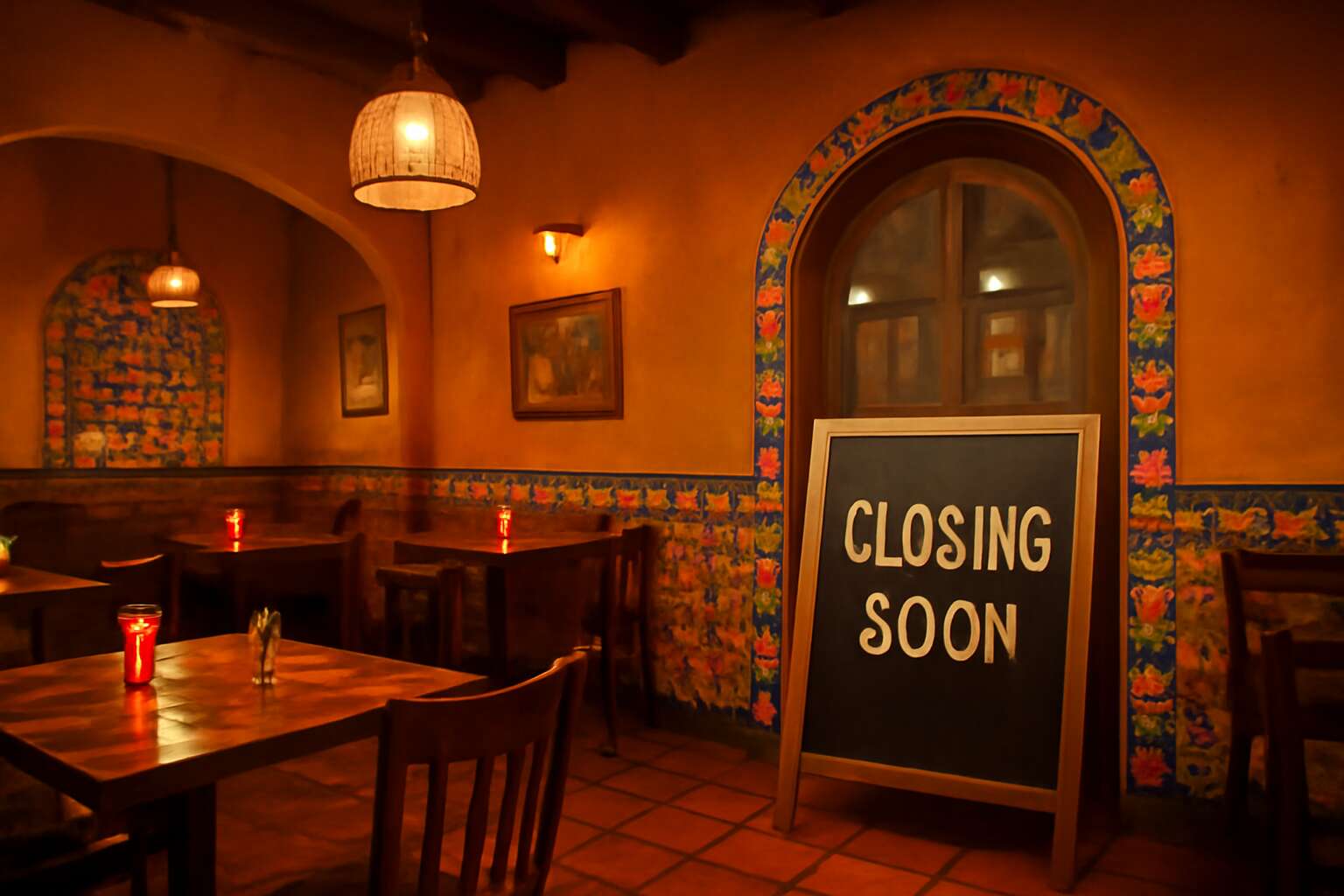
Interior storytelling breathes with warm daylight and tone-rich textures; clay bowls catch color. The camera loves small rituals—the napkin flick, a pour of coffee, a pepper’s shadow across tile.
- Warm daylight pools on adobe walls
- Lantern light flickers over ceramic patinas
- Shadows cradle the chairs like old dancers
Story arc dances from doorway to banquet, from charcoal scent to citrus kiss, tracing color from pepper to plate to bite. A closing mood, almost a prayer, whispers of the mexican restaurant to close as night tightens its velvet curtain.
In virtual tours, atmosphere acts like spice—narrative heat that makes viewers linger, curious about every glaze and grain.
User-Generated Content and Social Proof
In a crowded feed, 72% of diners say video sways their choice, a heat map for appetite. In South Africa’s vibrant dining scene, visual content for Mexican cuisine becomes a passport, guiding eyes from plate to memory, from steam to sunlit tile.
User-generated content carries social proof in its rawest form. When a mexican restaurant to close lurks in town talk, fans post memories and meals, turning a closing moment into ongoing desire rather than finality.
Here are quick cues that spark UGC engagement:
- Encourage patrons to share photo captions revealing aroma
- Repost with consent and a vivid caption
- Spotlight genuine reviews as bite-sized feed stories
In feeds, the kitchen’s pulse lingers beyond the last bite.
Analytics, Performance, and Continuous Improvement
Key SEO Metrics to Track for Restaurants
Analytics act as compass and wind in a crowded market, from Cape Town to Durban. Online reservations rose 31% last year, showing how digital discovery translates to tables. For a mexican restaurant to close, performance hinges on how guests travel from discovery to decision. By watching impressions, click-through rates, and time on site, you glimpse the journey’s twists before they become headlines.
Key metrics to watch include:
- Organic traffic growth from Mexican cuisine queries
- Impression share and local visibility of your menu pages
- Click-through rate (CTR) and bounce/exit rates on critical pages like menu and reservations
- Conversion rate and average order value for online orders and bookings
In South Africa’s vibrant dining scene, continuous improvement means letting every data point become a muse guiding storytelling, menu clarity, and local resonance.
Conversion Rate Optimization for Menu Pages
Analytics act as compass and wind in a crowded market, guiding the diner’s journey from curiosity to reservation. In South Africa’s vibrant dining scene, a mexican restaurant to close hinges on how guests move from discovery to decision. Impressions, CTR, and time on site aren’t mere metrics; they’re clues to a kitchen’s heartbeat, revealing where stories falter and flavors tempt a table.
- Conversion rate on online orders and reservations
- Average order value and item performance
- Bounce and exit rates on key pages such as the menu and booking forms
Continuous improvement keeps the menu narrative sharp, aligning imagery, language, and calls to action with what guests crave. I feel this arena favors trust over tricks—letting analytics shape every headline and plate description until the table becomes a shared experience.
A/B Testing and Experimentation
There’s a crisp line between appetite and action: “In the digital dining room, every micro-decision is a reservation.” Analytics function as compass and wind in South Africa’s crowded dining scene, revealing how guests move from curiosity to booking, and where stories falter in the kitchen of first impressions.
A mexican restaurant to close the gap between discovery and decision hinges on continuous improvement. Through analytics-led experimentation and A/B testing, small changes—swap a photo, tweak a CTA, reorder a menu block—can shift time on site and conversion rates, turning fleeting interest into reservations.
- Test menu page layouts and CTA placements to optimize clicks
- Experiment with imagery and descriptive copy to boost perceived value
- Monitor impact on order value, booking rate, and dwell time
Competitor Benchmarking and Market Fit
South Africa’s digital dining room moves fast, and results hinge on how quickly analytics translate curiosity into bookings. Analytics illuminate where guests drift—from momentary interest to real reservations—so performance can rise through continuous improvement. The fear of a mexican restaurant to close shadows the best operators, but disciplined measurement keeps the flame alight.
To stay ahead, benchmarking and market fit matter as much as design. Here are quick levers:
- Benchmark against local competitors to understand price, menu structure, and service speed.
- Track dwell time, conversion, and average order value to spot friction.
- Run focused small-scale tests on menus and CTAs to push incremental gains.
In South Africa, competitor benchmarking reveals what guests actually crave—clear value, consistent service, and storytelling that aligns with the menu. Market fit is not a static checkbox but a continuous loop of listening, testing, and refining offerings to meet local tastes and rhythms.

0 Comments