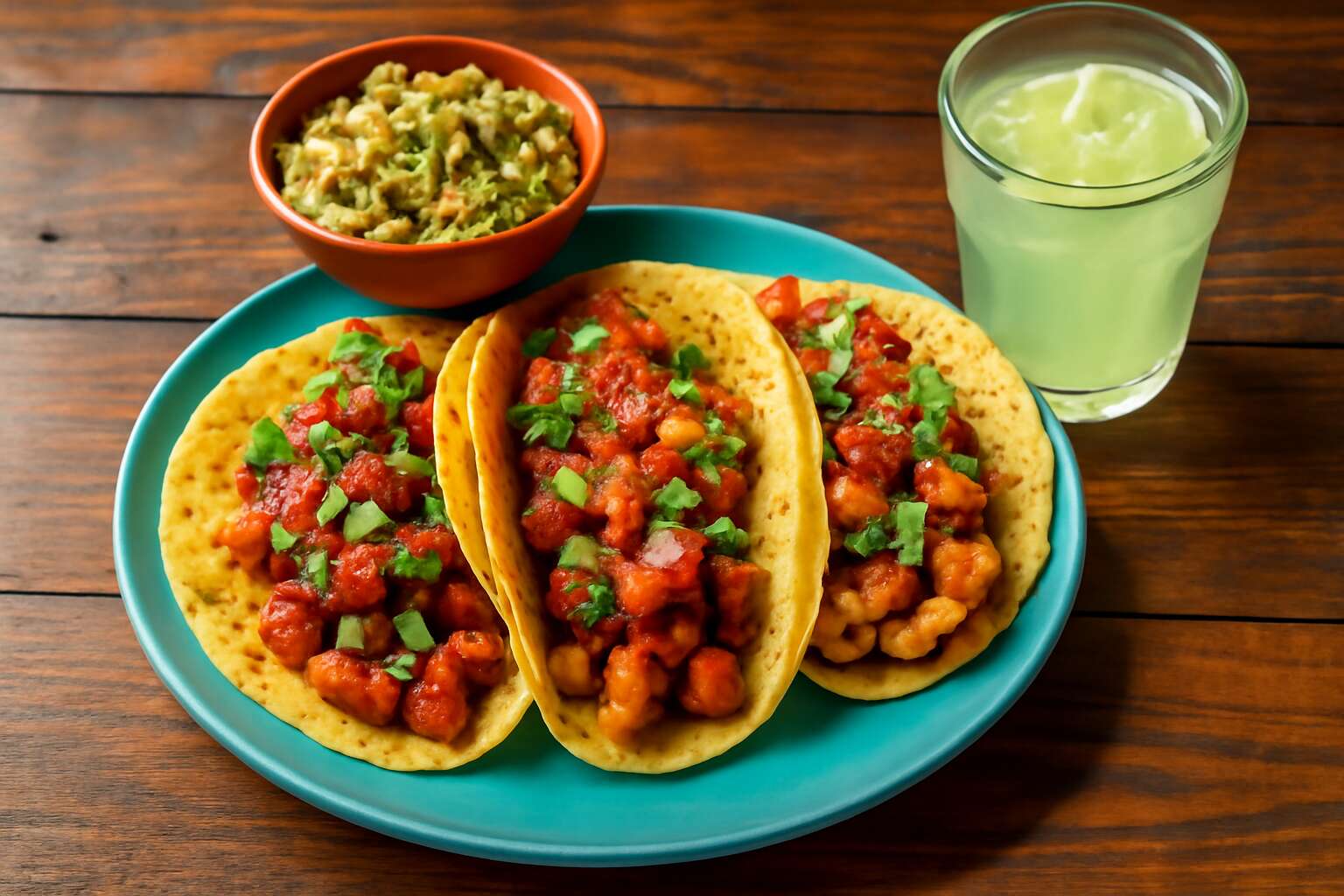
Cultural Heritage and Authentic Flavors of Mexican Cuisine
Rich History and Tradition – Exploring the centuries-old history of Mexican food
Mexican cuisine is a tapestry woven from centuries of history, where every dish whispers stories of ancient civilizations and vibrant traditions. Its roots stretch deep into the cradle of Mesoamerican culture, blending indigenous ingredients with Spanish influences to create a symphony of authentic flavors. This rich heritage is not merely a backdrop but the heartbeat that elevates why Mexican food is good—an experience that transcends taste buds and touches the soul.
Imagine flavors that dance like a fiery fiesta, each bite echoing generations of culinary mastery. From the smoky allure of chipotle peppers to the tangy zest of lime, every element is a testament to tradition and innovation. To truly understand why Mexican food is good, one must delve into its historical significance—where ancient rituals and modern gastronomy intertwine seamlessly.
Within this cultural mosaic, culinary artisans have preserved age-old techniques, passing down recipes that have stood the test of time. It is this dedication to authenticity that makes Mexican cuisine a living, breathing heritage—an edible celebration of history that invites everyone to partake in its timeless story.
Authentic Ingredients and Techniques – How traditional methods enhance flavor
In the shadowed corridors of culinary history, Mexican cuisine emerges as an enigmatic masterpiece, where every ingredient and technique whispers tales of ancient rites and mysterious rituals. It’s no coincidence that the deep, layered flavors evoke a sense of reverence—an homage to centuries of culinary craftsmanship. The secret lies in authentic ingredients and traditional techniques that elevate the dish from mere sustenance to a visceral experience.
Mexican culinary artisans have perfected methods that are as old as the pyramids themselves. For instance, slow-roasting chilies over open flames or grinding spices with stone molcajetes unlock depths of flavor unseen in modern cooking. This meticulous devotion to tradition ensures each bite is infused with authenticity, making Mexican food not just delicious but a portal into a vibrant cultural heritage.
The use of indigenous ingredients like corn, cacao, and native herbs further cements why Mexican food is good—its flavors are raw, elemental, and deeply rooted in the land. These methods and ingredients forge a culinary tapestry, where every dish becomes a living testament to the artistry of ancient Mexican civilizations. Truly, the magic of authentic techniques transforms simple ingredients into a symphony of taste, forever enchanting those who dare to explore its depths.
Cultural Significance – Mexican cuisine as a reflection of Mexican identity
Mexican cuisine is more than just a feast for the senses; it is a profound expression of cultural identity that has endured centuries of transformation. Every dish carries the weight of history, tradition, and a deep-rooted connection to the land and its people. This culinary heritage reflects a narrative of resilience and pride, making it clear why Mexican food is good—not only for its incredible flavors but for its ability to narrate a nation’s story through every bite.
The vibrant flavors and indigenous ingredients—such as corn, chili, and native herbs—serve as a living testament to Mexico’s cultural soul. These elements forge a sense of community and belonging, uniting families and generations across borders. For those seeking authentic experiences, Mexican cuisine offers an intricate tapestry of traditions that reveal the heart of Mexican identity. It’s this connection to tradition that elevates Mexican food from simple nourishment to a cultural emblem.
Health Benefits of Eating Mexican Food
Use of Fresh and Natural Ingredients – Vegetables, herbs, and spices in Mexican dishes
Mexican food isn’t just about tantalizing flavors and vibrant colors; it’s also a nutritional powerhouse packed with fresh, natural ingredients. When you savor a plate of authentic Mexican cuisine, you’re often indulging in vegetables, herbs, and spices that are harvested at their peak—no long shelf lives or artificial preservatives here! This focus on fresh ingredients means each bite delivers a burst of vital nutrients that support overall health.
Plus, the use of herbs like cilantro, oregano, and mint doesn’t just brighten flavors—these herbs are rich in antioxidants and have anti-inflammatory properties. Spices such as cumin and chili powder boost metabolism and may even improve digestion. Incorporating these fresh elements makes Mexican food a delicious way to nourish your body while satisfying your cravings.
- High in vitamins and minerals
- Rich in antioxidants
- Supports digestion and boosts metabolism
All these factors contribute to why Mexican food is good, blending taste with health benefits in a way that’s hard to beat. It’s no wonder so many people across South Africa are discovering the wholesome goodness of Mexican cuisine!
Balanced Nutrition – Incorporation of proteins, carbs, and healthy fats
In a culinary landscape often dominated by fast-food clichés, Mexican cuisine stands out as a beacon of balanced nutrition and bold flavors. Why Mexican food is good isn’t just about its vibrant presentation; it’s rooted in a thoughtful integration of proteins, carbs, and healthy fats that nourish the body while delighting the palate. Unlike many processed options, traditional Mexican dishes incorporate wholesome ingredients that support overall well-being.
For example, dishes like grilled chicken tacos with avocado provide a perfect harmony of lean protein, healthy fats, and complex carbohydrates. This combination sustains energy levels and promotes satiety, making Mexican food a smart choice for those seeking both indulgence and health. The use of beans, corn, and fresh vegetables further amplifies the nutritional profile, ensuring a rich intake of vitamins and minerals.
- Proteins such as lean meats and beans support muscle development.
- Complex carbs like corn and whole-grain tortillas contribute to sustained energy release.
- Healthy fats from avocados and olive oils enhance heart health and satiety.
Ultimately, exploring why Mexican food is good reveals a culinary philosophy that balances flavor with function—an approach increasingly appreciated across South Africa’s health-conscious communities. It’s a cuisine that proves you don’t have to compromise taste for health; Mexican food seamlessly marries both in every bite.
Vitamins and Antioxidants – Benefits of ingredients like chili peppers and tomatoes
Mexican cuisine isn’t just a feast for the senses; it’s a treasure trove of health benefits packed with vitamins and antioxidants. The vibrant ingredients such as chili peppers and tomatoes are rich in compounds that bolster the immune system and fight oxidative stress. Chili peppers, for example, contain capsaicin, a powerful antioxidant known to boost metabolism and reduce inflammation. Tomatoes, on the other hand, are abundant in lycopene—an antioxidant linked to heart health and cancer prevention. When combined in dishes like salsas or stews, these ingredients create a potent shield against cellular damage.
Eating why mexican food is good isn’t just about flavor; it’s about nourishing the body with nature’s finest. Vegetables, herbs, and spices add layers of nutritional richness, transforming traditional recipes into health-boosting delights. For those seeking a culinary adventure that supports well-being, Mexican food offers a compelling answer—delivering flavor and health benefits in every bite!
Variety and Diversity in Mexican Cuisine
Regional Specialties – Different flavors from Mexico’s diverse regions
Mexican cuisine is a tapestry woven from the vibrant threads of its diverse regions, each offering an unparalleled array of flavors and culinary traditions. From the fiery depths of Yucatán’s habaneros to the hearty, wheat-based delights of the northern states, the variety within Mexican food reveals a complex interplay of culture, climate, and history. This regional diversity not only enriches the palate but also underscores why Mexican food is good—its ability to adapt and flourish across different landscapes and communities.
For instance, Oaxaca is renowned for its intricate moles and cheese, a testament to centuries-old indigenous techniques, while coastal regions like Veracruz boast seafood dishes infused with citrus and tropical spices. Such regional specialties demonstrate how each locale’s unique ingredients and culinary customs contribute to the broader narrative of Mexican food. The result? An expansive culinary landscape that offers something for every taste, making it undeniable why Mexican food is good as a reflection of its rich, multifaceted roots.
Fusion and Modern Twists – Innovative takes that keep ingredients fresh and exciting
Mexican cuisine isn’t just a meal; it’s a culinary adventure that constantly reinvents itself with fresh, inventive twists. Fusion dishes are popping up everywhere, blending traditional flavors with modern culinary techniques that keep the palette excited and eager for more. Whether it’s a taco with a spicy Korean-inspired marinade or a quesadilla filled with unexpected cheeses and herbs, these innovative takes prove why Mexican food is good—dynamic, adaptable, and endlessly creative.
What makes these modern twists even more compelling is the use of ingredients that are both vibrant and healthy. Chefs around the world are experimenting with heirloom vegetables, exotic spices, and locally sourced proteins to craft dishes that honor tradition while embracing contemporary tastes. This culinary flexibility is a testament to why Mexican food is good—its ability to evolve without losing its soul.
- Incorporating superfoods like avocados, chili peppers, and tomatoes boosts nutritional value.
- Creative plating and presentation elevate humble street fare into gourmet experiences.
- Fusion cuisines seamlessly integrate global flavors, making Mexican dishes more accessible and exciting for everyone.
Ultimately, these modern innovations breathe new life into Mexican cuisine, proving that its rich history isn’t just a relic but a living, breathing culinary phenomenon. It’s no wonder why Mexican food is good—irresistibly fresh, endlessly versatile, and forever evolving.
Wide Range of Dishes – From tacos and burritos to complex moles and stews
Mexican cuisine is a vibrant tapestry woven from a kaleidoscope of flavors, textures, and traditions. Its astonishing variety ensures that every palate finds something to savor, from the simplest street tacos to elaborate mole sauces that take hours to perfect. This culinary diversity is a testament to why Mexican food is good—its capacity to reflect regional distinctiveness while maintaining a cohesive identity. For instance, in the Yucatán Peninsula, dishes are infused with achiote and citrus, creating bold, tangy profiles, whereas in Oaxaca, complex moles showcase intricate spice blends and slow-cooked techniques that elevate humble ingredients into culinary masterpieces.
Within this expansive spectrum, dishes can be categorized into a few core types, yet each boasts its own unique character.
- Street foods like tacos, tamales, and elotes
- Hearty stews such as pozole and menudo
- Rich, complex sauces like mole poblano and salsa verde
This wide range of offerings underscores why Mexican food is good—its adaptability and depth. Whether you’re craving something quick and flavorful or a dish that demands time and craftsmanship, Mexican cuisine’s diversity ensures it remains endlessly fascinating and satisfying for both the casual diner and the seasoned gastronome alike.
Flavor Profile and Sensory Experience
Bold and Spicy Flavors – The role of chili peppers and spices
Imagine a symphony of flavors that awakens the senses with each bite—this is the magic of Mexican food’s bold and spicy flavor profile. Central to this culinary allure are chili peppers and an array of native spices, transforming simple ingredients into an intoxicating sensory experience. The fiery warmth of chili peppers, whether in a smoky chipotle or a bright jalapeño, infuses dishes with an irresistible heat that lingers and excites the palate.
Mexican cuisine’s sensory richness is further enhanced by the careful balance of textures and aromas. The gentle heat from spices, combined with fresh herbs like cilantro and oregano, creates a tapestry of taste that dance on the tongue. This complexity is why Mexican food is good—its ability to evoke such a vivid sensory journey is unmatched. From sizzling fajitas to hearty moles, each dish is a celebration of bold flavors that keep diners coming back for more.
Unique Combinations – Sweet, savory, and smoky flavor blends
Mexican food is celebrated worldwide for its vibrant and complex flavor profile, captivating diners with a symphony of tastes that evoke both comfort and excitement. The unique combinations of sweet, savory, and smoky flavors create a sensory journey that is hard to match. Imagine the richness of slow-cooked mole, blending chocolate and spices, or the smoky depth of grilled carne asada—these dishes exemplify the artistry behind why Mexican food is good.
What truly sets Mexican cuisine apart is its masterful fusion of flavors that dance on the palate. From the subtle sweetness of roasted corn to the bold, smoky notes of chipotle peppers, each bite offers a layered experience. The careful balance of these elements, combined with fresh herbs like cilantro and oregano, results in a taste that is both hearty and refined. Such intricate flavor harmony explains why Mexican food is good and continues to enchant food lovers across the globe.
- Sweet: The natural sweetness of ingredients like corn, agave, and ripe tomatoes adds depth to traditional dishes.
- Savory: Rich meats, beans, and cheeses contribute to an indulgent, satisfying experience.
- Smoky: Charred chilies and grilled vegetables lend a distinctive, appetizing aroma and flavor.
These flavor elements come together in a way that stimulates all senses, making each meal memorable. The combination of textures, aromas, and tastes in Mexican cuisine exemplifies its ability to evoke emotion and nostalgia—an essential reason why Mexican food is good for both the soul and the palate.
Aromatic Herbs and Seasonings – Cilantro, cumin, oregano, and more
Mexican cuisine’s allure lies not only in its vibrant colors and rich history but also in its masterful use of aromatic herbs and seasonings that elevate every dish. These ingredients are the secret behind the complex flavor profile that makes Mexican food so good. When you bite into a taco or sip on a spicy pozole, it’s the fragrant notes of cilantro, cumin, and oregano that truly ignite the senses. Each herb adds a layer of depth and authenticity, transforming simple ingredients into culinary masterpieces.
The balance of flavors is carefully crafted, often incorporating fresh herbs and seasonings that complement the natural sweetness of ingredients like corn and tomatoes. For example, the bright, citrusy aroma of cilantro pairs perfectly with smoky chipotle or roasted chili peppers, creating a sensory harmony that is both invigorating and comforting. The use of cumin and oregano enhances the savory elements, making each bite memorable and satisfying.
In Mexican cooking, herbs are more than just flavor enhancers—they are integral to the cultural identity of the cuisine. Their vibrant presence in dishes highlights why Mexican food is good for both the palate and the soul. Whether blended into salsas, sprinkled over grilled meats, or infused into stews, these seasonings bring warmth and character that keep fans returning for more. It’s this intricate layering of aromatic herbs and seasonings that truly defines why Mexican food is good—an irresistible dance of flavors that continues to captivate food lovers worldwide.
Mexican Food and Social Connection
Everyday Meals and Celebrations – Mexican food as part of social gatherings
Mexican food has long been celebrated as more than just a culinary tradition—it’s a vibrant thread woven into the fabric of social life. Every meal becomes an opportunity for connection, whether it’s a casual family gathering or a lively celebration with friends. The communal act of sharing dishes like tacos, enchiladas, or fragrant moles creates a sense of belonging and joy that transcends the palate.
In many Mexican households, food is the heartbeat of celebrations. From festive fiestas to everyday dinners, dishes are prepared with love and intention, turning every occasion into a memorable event. This tradition of gathering around flavorful, wholesome meals fosters bonds and preserves cultural heritage. It’s no wonder that many ask why Mexican food is good—it’s because it’s inherently designed to bring people together in a shared experience of warmth and tradition.
- Family reunions
- Festive holidays
- Community celebrations
Whether it’s a simple street-side taco stand or an elegant feast, Mexican cuisine’s emphasis on fresh ingredients and bold flavors makes it ideal for creating lasting social memories. It’s this deep-rooted cultural significance that continues to inspire countless to embrace Mexican food as a symbol of unity and celebration worldwide.
Shared Experiences – How Mexican cuisine fosters community and family bonds
Mexican food isn’t just about tantalizing taste buds; it’s a powerful catalyst for fostering community and family bonds. The communal act of sharing dishes like tacos, enchiladas, or fragrant moles creates an atmosphere where connection flourishes. It’s in these shared meals that traditions are passed down, stories are exchanged, and relationships are strengthened. The vibrant colors, bold flavors, and aromatic herbs evoke a sense of belonging that transcends the dining table.
What makes Mexican cuisine truly exceptional is its ability to unite people through authentic ingredients and time-honored techniques. Whether at lively street-side taco stands or elaborate family feasts, the experience of enjoying Mexican food is inherently social. It’s no wonder many ask why Mexican food is good—because it’s built on the foundation of shared joy and cultural pride that makes every gathering memorable.
In South Africa and beyond, Mexican cuisine continues to inspire community celebrations. From festive holidays to everyday dinners, the act of gathering around flavorful Mexican dishes transforms ordinary moments into extraordinary memories. It’s this enduring power of Mexican food to bring people together that cements its reputation as a culinary tradition rooted in unity and warmth.
Popular Mexican Dishes That Highlight Why It’s Good
Tacos and Street Food – Convenient, flavorful, and iconic
Few cuisines manage to balance convenience, flavor, and cultural richness quite like Mexican food. Think about it—who can resist the allure of a perfectly crafted taco or a sizzling street food stall that beckons with smoky, spicy aromas? These dishes aren’t just quick bites; they’re culinary icons that showcase why Mexican food is good, blending tradition with a vibrant palette of ingredients. Whether it’s a crunchy taco filled with tender meat or street food like elote smothered in chili and lime, each bite tells a story of centuries-old recipes perfected over generations.
Street food, in particular, exemplifies the true essence of Mexican cuisine—accessible, flavorful, and rooted in community. The variety is staggering, from tacos and tamales to fresh ceviche, all prepared with fresh and natural ingredients that highlight the bold and spicy flavors characteristic of Mexican food. These dishes often incorporate aromatic herbs like cilantro and cumin, elevating every flavor profile to new heights. It’s no wonder that people across the globe are discovering why Mexican food is good—its unpretentious, hearty nature makes it a timeless choice for anyone craving authentic, satisfying cuisine.
Enchiladas and Chiles Rellenos – Comfort food with vibrant flavors
Few culinary traditions evoke such a vivid tapestry of flavors and comfort as Mexican cuisine. Among its many iconic dishes, enchiladas and chiles rellenos stand out as shining examples of why Mexican food is good—delivering both hearty satisfaction and vibrant, irresistible flavors. Enchiladas, with their tender tortillas smothered in rich, smoky chile sauce, offer a satisfying blend of spice and warmth that keeps diners coming back for more. Meanwhile, chiles rellenos—whole peppers stuffed with cheese or meat, then battered and fried—embody a perfect harmony of spicy heat and creamy indulgence.
What makes these dishes particularly compelling is their versatility; they can be prepared with regional twists or modern flair, yet always retain their authentic soul. It’s this combination of tradition and adaptability that underscores why Mexican food is good. The bold use of aromatic herbs like oregano and cumin, paired with fresh ingredients such as tomatoes and peppers, creates a culinary experience that’s both wholesome and complex. Simply put, these dishes are not just comfort food—they are an invitation to savor centuries of culinary artistry.
Traditional Moles and Stews – Complex sauces rich in history
Among the myriad reasons why Mexican food is good, its rich tradition of complex sauces and hearty stews stands out as a testament to centuries of culinary mastery. These dishes are more than just meals; they are edible stories woven from ingredients that carry deep cultural significance. Mexican stews like pozole and menudo exemplify this, simmered to perfection with aromatic herbs and spices that evoke a sense of warmth and belonging. The intricate layers of flavor in traditional moles, with their blend of chilies, chocolate, and spices, reveal why Mexican food is good—delivering a symphony of taste that dances on the palate.
What truly elevates these dishes is their ability to tell a story of regional diversity and history. Each region adds its unique twist, resulting in a tapestry of flavors that are both bold and nuanced. For example, Oaxacan mole negro is celebrated for its deep, smoky richness, while the hearty stews of Northern Mexico incorporate robust, earthy ingredients. These culinary creations showcase the ingenuity and passion behind Mexican cuisine, making it a compelling answer to why Mexican food is good—nourishing both body and soul with every spoonful.
Availability and Accessibility of Mexican Food
Global Popularity – Mexican cuisine’s worldwide reach
Mexican cuisine’s growing global popularity underscores its remarkable availability and accessibility across continents. From bustling urban centers to quaint neighborhood eateries, authentic Mexican food has found a cherished place in diverse culinary landscapes. Its widespread presence makes it easy for enthusiasts worldwide to indulge in rich, flavorful dishes that exemplify why Mexican food is good. The integration of Mexican ingredients into international kitchens demonstrates how adaptable and inviting the cuisine truly is.
In many countries, specialty Mexican restaurants and food trucks have proliferated, providing authentic experiences that preserve traditional techniques. This accessibility fosters a deeper appreciation for regional specialties, such as tacos, enchiladas, and chiles rellenos, which can now be enjoyed without traveling far. The ease of finding Mexican food in various forms—whether through casual street food or gourmet interpretations—cements its reputation as both convenient and deeply satisfying. Such widespread availability confirms why Mexican food is good, resonating with diverse palates and cultural tastes around the world.
Increased Accessibility – Mexican restaurants and takeout options
Mexican food’s rise in popularity isn’t just a fleeting trend; it’s a culinary revolution! With an increasing number of Mexican restaurants and takeout options popping up across South Africa, access to authentic flavors has never been easier. Whether it’s a quick taco from a street vendor or a gourmet enchilada platter, the availability of Mexican cuisine fuels the curiosity of food lovers everywhere.
What makes it even better is the seamless integration of Mexican ingredients into local kitchens. From spicy chili peppers to fresh cilantro, these ingredients are now readily accessible, making it simple to replicate traditional dishes at home. For those craving a flavorful escape, the widespread accessibility of Mexican food ensures that you don’t have to travel far to indulge in the vibrant taste sensations that prove why Mexican food is good.
- Easy-to-find ingredients
- Numerous authentic restaurants
- Convenient takeout options
All these factors combine to create a culinary landscape where Mexican food is not just a meal but an experience—delicious, diverse, and just a doorstep away. Truly, the increased accessibility cements why Mexican food is good, appealing to a broad spectrum of palates eager for bold flavors and culinary adventure.
DIY Recipes and Cooking at Home – Ease of recreating authentic dishes
One of the most compelling reasons why Mexican food is good is its remarkable accessibility. With a growing number of Mexican restaurants and takeout options across South Africa, recreating authentic dishes at home has become more straightforward than ever. Whether you’re craving a simple taco or a complex mole sauce, ingredients are now easier to find in local markets, making DIY Mexican recipes a viable and exciting option. This accessibility encourages culinary experimentation and helps demystify traditional techniques that enhance flavor and authenticity.
In fact, many authentic Mexican ingredients such as chili peppers, cumin, and fresh cilantro are now staples in South African grocery stores. This means that you don’t need to travel to Mexico to enjoy the vibrant flavors. Instead, you can assemble a variety of dishes with ease, from spicy salsas to rich stews. For those interested in exploring the cuisine further, here’s a quick overview of what’s achievable at home:
- Using readily available ingredients like tomatoes, onions, and herbs
- Following simple recipes to craft homemade tacos, enchiladas, or chiles rellenos
- Experimenting with regional specialties that highlight Mexico’s diverse culinary landscape
With these options, it’s clear why Mexican food is good for both the palate and the pocket. The combination of convenience, ingredient accessibility, and the joy of cooking makes Mexican cuisine a delightful and achievable culinary adventure for everyone eager to taste authentic flavors at home.
Sustainability and Eco-Friendliness of Mexican Ingredients
Local and Seasonal Produce – Supporting local farmers
Mexican cuisine’s commitment to sustainability and eco-friendliness is a testament to its deep-rooted respect for the land. By prioritizing local and seasonal produce, Mexican chefs support small-scale farmers and reduce the carbon footprint associated with food transportation. This approach ensures that ingredients are harvested at their peak, delivering maximum flavor and nutritional value. Supporting local farmers not only sustains regional economies but also promotes biodiversity by encouraging the cultivation of native crops.
In Mexico, the use of fresh, natural ingredients like vibrant vegetables, fragrant herbs, and fiery spices is central to every dish. This reliance on seasonal produce minimizes waste and promotes environmentally conscious farming practices. Incorporating a variety of ingredients such as chili peppers, tomatoes, and corn, Mexican food exemplifies a farm-to-table philosophy that benefits both the environment and diners. Here’s why mexican food is good for the planet:
- Reduces food miles by emphasizing local sourcing
- Supports sustainable farming practices
- Encourages the preservation of native crop varieties
Ultimately, Mexican cuisine’s eco-friendly ethos makes it not only delicious but also a responsible choice for those who care about the planet. Its vibrant flavors are powered by ingredients that respect the environment, making every bite a celebration of both culture and sustainability. When you enjoy Mexican food, you’re embracing a culinary tradition that champions eco-consciousness and regional resilience—truly a compelling reason why mexican food is good.
Traditional Farming Methods – Minimizing environmental impact
Mexican cuisine’s commitment to sustainability is rooted in traditional farming methods that have been passed down through generations. These methods emphasize minimal environmental impact, using natural practices that preserve the land and promote biodiversity. Farmers often rely on crop rotation, organic fertilizers, and hand cultivation, reducing the need for chemical inputs and heavy machinery. This approach not only sustains native crop varieties but also enhances soil health, ensuring that the land remains fertile for future harvests.
Why Mexican food is good goes beyond its vibrant flavors; it’s also a reflection of eco-conscious practices. These sustainable farming techniques limit water usage and decrease carbon emissions, making Mexican dishes inherently environmentally friendly. Incorporating native ingredients like chili peppers, corn, and beans, Mexican cuisine champions a farm-to-table philosophy that supports local farmers and reduces food miles. When you enjoy Mexican food, you’re indulging in a culinary tradition that values the planet’s health and promotes responsible agriculture.
Organic and Fair Trade Options – Promoting sustainable choices
Amidst the vibrant tapestry of global cuisine, Mexican food shines not only for its rich flavors but also for its unwavering commitment to sustainability. The incorporation of organic and fair trade options elevates its status as an eco-conscious culinary choice. When you savor authentic Mexican dishes, you’re supporting a system that prioritizes the health of both the environment and local communities.
Mexican cuisine champions sustainable choices by promoting the use of organic ingredients, which are cultivated without harmful chemicals, ensuring that every bite is as pure as it is flavorful. Fair trade options further empower local farmers by guaranteeing fair compensation, fostering social equity and environmentally friendly practices. These practices encourage the use of native ingredients like chili peppers, corn, and beans, which thrive in Mexico’s diverse ecosystems and contribute to a more sustainable food system.
Integrating sustainable ingredients demonstrates why Mexican food is good—it’s rooted in a farm-to-table philosophy that minimizes food miles and reduces carbon emissions. Supporting local and seasonal produce not only preserves Mexico’s agricultural heritage but also nurtures the land for future generations. The emphasis on eco-friendly choices makes Mexican cuisine a delicious testament to responsible eating, where every meal is a celebration of both flavor and sustainability.


0 Comments