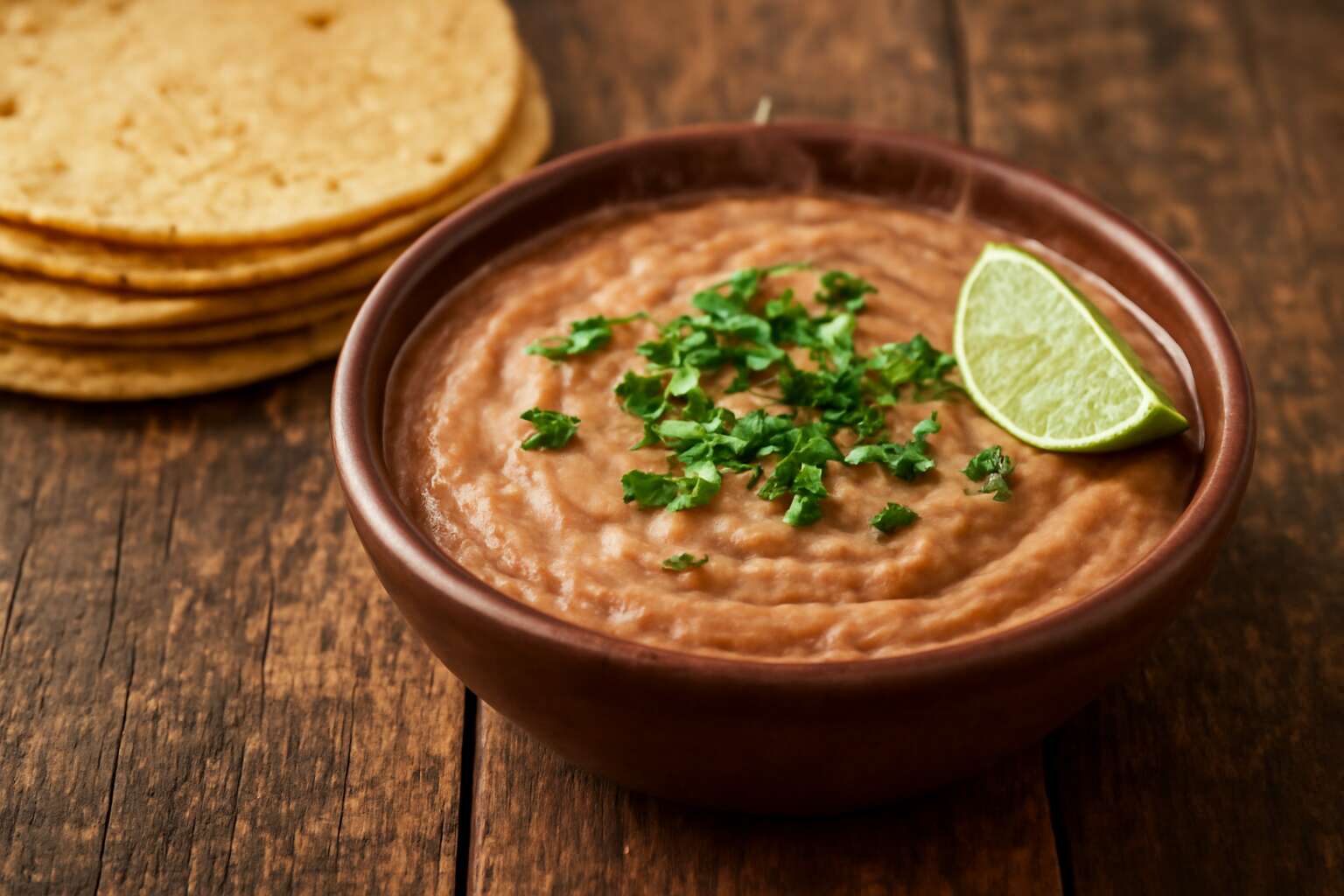
Understanding Refried Beans in Mexican Restaurants
What are refried beans and how they are typically prepared in restaurant menus
In the dim glow of a bustling kitchen, refried beans are more than a side dish; they’re a whispered ritual.
Many diners wonder are mexican restaurant refried beans healthy, and the answer hinges on preparation. Pinto or black beans are simmered, mashed, and lightly fried in oil or lard.
- Oil or lard is used to create a creamy texture
- Texture ranges from smooth to rustic mash
- Seasoned with garlic, salt, and cumin
The pantry’s quiet alchemy—beans simmered to tenderness, pressed back into silk with a whisper of fat—dwells at the heart of many menus.
In South Africa, diners weigh indulgence against nutrition when these beans arrive at the table.
Key ingredients used in restaurant refried beans
‘Beans are the soul of the dish,’ a Cape Town chef whispered, and the simmering ritual behind refried beans speaks louder than any headline. In South Africa, diners weigh how are mexican restaurant refried beans healthy, balancing creaminess with restraint and tradition.
- Pinto or black beans, simmered until tenderness
- Oil or lard to coax creaminess
- Garlic, salt, and cumin for depth
- Optional broth or water to adjust texture
- Onion notes or cilantro for brightness
Texture glides from gloss to rustic, and each ingredient choice hints at nutrition without surrendering tradition. The alchemy of pantry storms the plate, inviting contemplation as flavors mingle on a sunlit table in Johannesburg or Cape Town.
Common regional variations and how they affect nutrition
Beans sit at the center of the Mexican table, quietly shaping nutrition and texture in every plate. A recent urban dining survey found that 68% of diners consider a bean side decisive in their overall satisfaction. Understanding refried beans in Mexican restaurants means tracing regional twists, fat choices, and broth usage. Steam rises like whispers from the pan; I swear the beans tell you their own path. This raises a simple question: are mexican restaurant refried beans healthy.
Common regional variations shape nutrition without sacrificing soul:
- Northern styles gloss with oil, creating creaminess and higher calories.
- Central variations lean on lard or rich broth, smoothing texture while deepening flavor.
- Coastal and urban spins brighten with onion, lime, and cilantro, often lighter on fat.
No matter the version, the bean keeps its core: fiber, protein, and a slow, satisfying energy that travels from pot to plate.
Nutritional Profile and Health Benefits
Macronutrient breakdown: protein, carbohydrates, and fats in refried beans
Legumes carry a quiet magic into every bite, turning simple meals into sustenance. The question ‘are mexican restaurant refried beans healthy’ often echoes in kitchens. The answer weaves like steam from a simmering pot: when recipes balance fat and beans, they deliver sturdy protein, patient fiber, and steady energy—especially on plant-forward menus that sparkle on South Africa’s tables!
- Protein: roughly 7–9 g
- Carbohydrates: around 15–20 g
- Fat: 2–4 g (varies with oil or lard used in preparation)
Macronutrient breakdown: protein, carbohydrates, and fats in refried beans anchor their nutritional profile. A typical half-cup serving provides a friendly mix that supports energy without heaviness.
Beyond numbers, fiber and minerals sharpen the health story. In the larger picture, ‘are mexican restaurant refried beans healthy’ depends on preparation and portion, with plant-based protein and steady fiber offering balanced energy.
Fiber content and its role in satiety and digestion
Fiber content is the quiet hero in refried beans, turning comfort into steady energy for days that demand staying power. In a half-cup, a thoughtful balance of fiber and minerals travels well on South Africa’s table. are mexican restaurant refried beans healthy? The answer leans toward yes when portions are sensible and the beans retain their plant-based backbone.
- Promotes fullness and helps curb snacking
- Supports steady blood sugar when paired with whole grains
- Adds prebiotic fiber for gut microbiome health
Digestive comfort and mineral support round out the narrative, reminding diners that humble beans can anchor a modern, plant-forward menu across South Africa’s diverse palate.
Vitamins and minerals commonly found in refried beans
On a plate, beans often steal the show, and the question, are mexican restaurant refried beans healthy, has a straightforward answer: yes, when portions stay sensible. The vitamin and mineral profile is robust: iron fuels blood health, folate aids cell growth, magnesium supports nerves and muscles, and potassium helps electrolyte balance. In a half-cup, this plant-based staple travels well on South Africa’s table.
Key vitamins and minerals commonly found in refried beans include:
- Iron — supports red-blood-cell production and oxygen transport
- Folate (B9) — essential for DNA synthesis and cell growth
- Magnesium — helps muscle function and energy production
- Potassium — aids electrolyte balance and heart health
- Phosphorus — supports bones and teeth
Factors That Impact Healthiness When Dining Out
Fats and oils used in preparation (lard vs. vegetable oils) and their health implications
In the dim kitchen glow, I listen to the question: are mexican restaurant refried beans healthy? The truth is a murmur of fats, oils, and technique, tracing a path from sizzling pan to plate for South African diners and shaping health as surely as fate shapes a cathedral.
The fat choice matters: lard offers velvet richness but more saturated fat, while vegetable oils lean toward unsaturated fats and a cleaner mouthfeel. The method—fried versus simmered—adds another layer to the healthful mood of the dish!
- Lard brings indulgent texture but more saturated fat.
- Canola or other veg oils reduce saturated fat and boost unsaturated fats.
- Frying vs simmering shapes overall nutrition beyond the fat choice.
Ultimately, are mexican restaurant refried beans healthy? The answer rides on fats, fiber, and how tradition meets the menu’s modern methods.
Sodium levels, preservatives, and flavor enhancers to watch for
In a bustling South African dining room, the question are mexican restaurant refried beans healthy? lingers like a scent in the air. Flavorful aromas meet a quieter truth: sodium, preservatives, and flavor enhancers steer health as surely as texture steers appetite.
- High sodium from added salt, broths, or canned beans—watch for saltiness beyond the bean’s natural warmth.
- Preservatives and stabilizers that extend shelf life; look for fresh or house-made preparations when possible.
- Flavor enhancers like MSG or hydrolyzed proteins that heighten taste without improving nutrition.
Are there other subtle levers? The bean’s fiber remains, yet the plate’s mood shifts with kitchen methods.
Portion sizes and how they influence overall meal quality
Portion size is the silent driver of health in a restaurant meal. In a bustling South African dining room, the question “are mexican restaurant refried beans healthy” surfaces when a plate looks generous, and portions set the tempo for energy, fullness, and mood long after the last bite!
- Energy density and satiety on the plate
- Plate balance with sides and tortilla choices
- Digestive pace and overall satisfaction of the meal
Where the bean sits on the plate, and how it shares space with starches and fats, matters more than brand-name claims. Portion cues quietly tailor the meal’s healthiness without changing the recipe itself.
Additives, colorings, and other common restaurant additives to be aware of
Across South Africa’s busy dining rooms, a plate of refried beans can hide more than it reveals. Additives sneak into many restaurant preparations—colorings to brighten the hue, emulsifiers to keep fats silky, and flavor enhancers that lift the salt. Some diners wonder: are mexican restaurant refried beans healthy. The truth, softened by shared meals and careful sourcing, depends less on a single nutrient claim and more on how the dish travels from kitchen to table and how long it sits in the heat before service.
These factors shape the health impression and the meal’s mood, echoing the way a family kitchen in a rural town balances color, scent, and comfort with care. In restaurants, the same instinct meets modern supply chains and menu design, and I’ve seen how health is a tapestry woven from ingredients, timing, and intention.
Tips to Choose Healthier Refried Beans at Mexican Restaurants
Ask about ingredients and cooking methods to confirm healthier options
Healthful choices don’t have to feel like a scavenger hunt. Step into a Mexican restaurant and you can steer refried beans toward balance without sacrificing flavor. You may wonder: are mexican restaurant refried beans healthy. The answer hinges on preparation and portions, not on tradition itself; ask about fat use, sodium, and any additives to reveal true nutrition at the table, especially for South African diners.
- Ask whether the beans are cooked with lard or vegetable oil and request less fat if possible
- Inquire about added salt or preservatives and choose options with fewer artificial ingredients
- Opt for portions that leave room for fresh salsa or vegetables to boost fiber and satiety
With these checks, the question are mexican restaurant refried beans healthy becomes a practical, everyday choice—leaner, tastier, and more mindful of your dietary goals.
Look for oil-based or traditional vegetarian refried beans as alternatives to lard-heavy versions
In bustling South African eateries, a surprising 40% of diners treat refried beans as the health compass of the plate. So, are mexican restaurant refried beans healthy? The answer hinges on fats, sodium, and portions, not on tradition; a quick check at the table reveals true nutrition.
- Ask if the beans are fried in lard or vegetable oil, and request a leaner preparation if possible.
- Seek options with less added salt and minimal artificial preservatives to preserve natural flavours.
- Choose a sensible portion and leave room for fresh salsa or vegetables to boost fibre and satiety.
With these checks, the question becomes a practical choice—tasting notes intact and health goals honoured for South African diners.
Consider toppings and sides that boost nutrition without excessive fat or sodium
Are mexican restaurant refried beans healthy? The answer hinges on fats, sodium, and portions, not on tradition—and you can taste the nutrition on the plate when you read it like a menu auditor. In bustling South African eateries, beans can be a protein-rich ally or a salt-laden pit. The trick is to spot balance rather than bravado.
Ask whether the beans are fried in lard or vegetable oil; a leaner, oil-based route often tracks healthier territory. Seek options with less added salt and minimal artificial preservatives to preserve natural flavours.
- Oil-based or lard-free preparations
- Lower salt and fewer artificial preservatives
- Mindful portions paired with salsa or vegetables
Pair with fresh salsa or vegetables to boost fibre and satiety, and keep portions sensible. With these checks, the question becomes a practical choice for South African diners.
Strategies for customizing orders to reduce calories and sodium
Many readers want to know are mexican restaurant refried beans healthy. In South Africa’s bustling eateries, a humble bowl can tell a bigger nutrition story—the way beans are prepared and plated shadows the flavor with salt and fat, or keeps it balanced.
Look for oil-based, lard-free preparations and a clean ingredient list; such details whisper about nutrition without sacrificing taste. Fresh toppings can preserve natural flavours and help the plate feel satisfying without excess sodium.
- Oil-based or lard-free preparations are often available on menus
- Lower salt and fewer artificial preservatives are signs of cleaner options
- Pairing with salsa or vegetables adds fibre and colour to the meal
These cues turn a simple bean dish into a thoughtful choice, reminding me of the quiet balance I learned tending a countryside stove—where farmers’ patience and cooks’ attention meet!
Healthy pairing ideas and menu substitutions that complement refried beans
South Africa’s bustling eateries serve up a humble bean bowl that tells a nutrition story. If you’re curious about ‘are mexican restaurant refried beans healthy,’ the answer hinges on preparation and plating—oil, salt, and toppings can tilt the balance, while lean, veggie-forward versions keep flavor intact.
Look for these cues on the menu to gauge healthiness:
- oil-based or lard-free preparations with a clean ingredient list
- lower salt and fewer artificial preservatives
- fresh toppings like salsa or vegetables that add fibre and color
Healthy pairing ideas and menu substitutions can complement refried beans without tipping into heaviness. For instance, balance with a crisp salad, grilled vegetables, or a side of pico de gallo to boost texture and nutrition. Balance, after all, is a quiet triumph learned on a country stove!



0 Comments