Regional spice profiles in Mexican cuisine
Northern regional spice tendencies
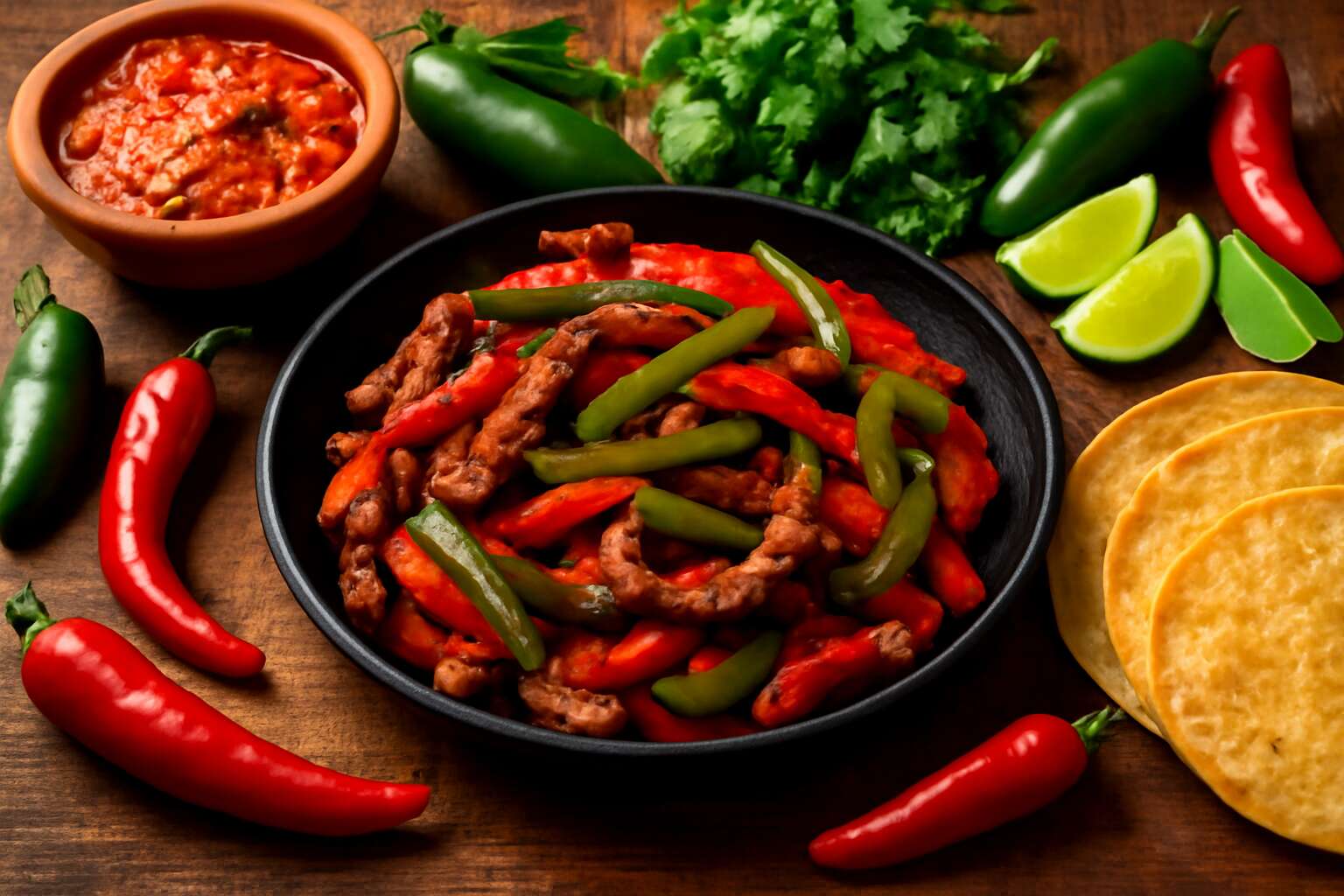
For South African kitchens craving authentic regional fire, Northern Mexican cooking offers heat with purpose. I notice peppers marching from the campo to the skillet, keeping pace with fatty grilled meat and bright salsas. Fresh jalapeños and serranos lead the charge, while a whisper of arbol chiles sharpens the finish!
To me, Northern spice tends toward direct, bold warmth that supports carne asada and smoky tortillas. The heat arrives cleanly, not cloying; peppers like jalapeño and serrano offer brightness, while dried arbol adds a crisp, piercing note to sauces and rubs.
- jalapeño — bright, medium heat; widely used in fresh salsas
- serrano — hotter, cleaner bite; ideal for sauces
- arbol — sharp, dry heat; a piercing kick in rubs and chiles
- poblano — mild to medium when roasted; adds depth without overwhelming heat
So how spicy is mexican food? The North treats heat as a measured dialogue between fire and freshness, memory over momentary sting. I’ve learned that the answer lies in flavor, not bravado.
Central highland pepper varieties
In the Central Highlands, pepper varieties carve a distinct heat signature. Guajillo brings a bright, fruity warmth; pasilla counters with deep, cocoa-toned depth; poblano offers slow-blooming warmth that stays in the background; ancho softens the edge with raisiny sweetness. I taste the heat as a measured drumbeat, not a shout. For South African kitchens chasing authentic regional fire, these notes travel. So, how spicy is mexican food? The answer arrives in flavor, not bravado, as these peppers layer brightness and nuance into stews and sauces.
- guajillo — bright, fruity heat for sauces
- pasilla (chilaca) — deep, chocolatey notes and medium warmth
- ancho — mild to medium, sweet and smoky
- poblano — gentle warmth, ideal for roasting and stuffing
Together they map a spectrum—from crisp warmth to lingering smokiness—letting cooks dial heat with confidence.
Oaxaca-Mexico City contrasts in heat and flavor
Oaxaca whispers with smoke and cacao in the air, an earthy warmth that lingers like memory. For South African kitchens chasing authentic regional fire, Oaxaca and Mexico City offer a map of heat as poetry. I taste how the heat sits, patient and sculpted. In Mexico City, heat speaks in bright, cutting notes—citrus, onion, and cilantro carving order from chaos. Heat here is a language of balance, not bravado. So, how spicy is mexican food? It unfolds as a palette of textures: roasted depth meeting sharp freshness, a chorus rather than a shout.
- Oaxaca: smoky, earthy warmth that deepens sauces and moles with quiet intensity.
- Mexico City: bright, crisp heat lifted by citrus and herbaceous brightness.
These contrasts map a vibrant spectrum, inviting cooks to savor heat as a regional signature rather than a single measure.
Coastal influences and salsa styles
Coastal heat arrives with salt and sun, a tide that sharpens the palate without deranging the mind. For South African kitchens chasing authentic regional fire, coastal heat in Mexico offers a map and a mirror. Along the seaboard, citrus brightens every flame and seafood carries the memory of the sea in its sauce. So, how spicy is mexican food in these regions? The answer unfolds as a spectrum: a roasted depth here, a citrus crackle there, a nimble breath that lingers just long enough to become a flavor memory.
Coastal profiles drift with the Gulf and Pacific winds, sharing lime, cilantro, and a quiet respect for fresh produce. The salsa styles hinge on texture and tempo:
- Veracruz-style tangy sauces with lime, cilantro, and seafood pairings
- Baja-Pacific coast salsas focused on fresh chiles, garlic, and lime zest
- Gulf and Yucatán blends that balance habanero heat with sour orange and achiote notes
Heat here reads as saltwater and sunlight—never a shout, always a chorus that invites slow tasting and memory-making.
Common chilies and heat foundations in Mexican cooking
Popular peppers and their heat ranges
I glimpse heat as memory—how spicy is mexican food becomes a memory of sun-warmed markets and smoky grills. I taste and listen as jalapeño spark meets lime’s brightness, while habanero whispers of distant coasts. Heat here is a conversation, not a clash, inviting the palate to linger.
Common chilies and heat foundations emerge as two threads—fresh brightness and smoky depth:
- Jalapeño — 2,500–8,000 SHU
- Serrano — 10,000–23,000 SHU
- Poblano — 1,000–2,000 SHU
- Chipotle — 3,000–5,000 SHU
- Habanero — 100,000–350,000 SHU
- Ancho — 1,000–1,500 SHU
Together they shape the palate, offering layers that carry citrus, smoke, and a kiss of sweetness. The spice becomes a signature—a glamorous chorus traveling from market stalls to plates, especially for South African readers seeking a world of taste.
Dried chiles versus fresh chiles
Heat is memory in the mouth, a sun-warmed echo that follows you from market stalls to the plate. In a single bite, the spectrum of Mexican peppers reveals itself—some whisper, some roar—and the question of how spicy is mexican food becomes a conversation, not a dare.
Common chilies and heat foundations drift along two threads: fresh brightness and smoky depth. Fresh varieties like jalapeño, serrano, and poblano offer crisp, immediate heat with citrus notes; dried cousins such as guajillo, ancho, and chipotle carry raisiny sweetness and a lingering, smoky finish.
- Fresh: jalapeño, serrano, poblano
- Dried: guajillo, ancho, chipotle
When chiles dry, they condense fat and fruit into sauceable paste; when fresh, they lift dressings and salsas with a cleaner bite. Together they choreograph a texture of heat that sings rather than scalds.
Smoked and dried flavors: chipotle and ancho
How spicy is mexican food? The answer hides in smoke and sun-warmed fruit: chipotle and ancho carry heat with a story. Chipotle, the dried, smoked jalapeño, brings a medium kick and a cocoa-dusted smokiness that clings to the palate. Ancho, a ripe, dried poblano, tempers the heat with raisiny sweetness and a velvety, chocolatey finish. Together they give heat a character, not a dare!
Here are their voices in the pot:
- Chipotle — smoked jalapeño; medium heat with deep smoke and a chocolatey finish.
- Ancho — mild heat; raisiny sweetness and a velvety, cocoa-like note.
In Mexican kitchens, these two carry heat through sauces, stews, and salsas, shaping how spicy is mexican food into a living texture rather than a number.
Fresh salsa heat builders: jalapeño and serrano
Heat is the pulse of Mexican cooking, a living weather in a bowl. For South Africa’s palates, the question of how spicy is mexican food becomes a dialogue with brightness. A seasoned chef once declared, ‘Heat should be a melody, not a shout.’
Common chilies anchor this conversation. Fresh salsa heat builders, jalapeño and serrano, offer a clean arc—from crisp, grassy notes to a brisk bite that wakes the palate without surrendering it. Jalapeño sits in the medium range; serrano pushes the tempo a notch higher while staying bright and clear.
- Jalapeño — vibrant green, medium heat, crisp bite, lifts salsas with brightness.
- Serrano — hotter and leaner, pepper-forward heat that sharpens flavors without overpowering them.
In Mexican kitchens, those two heat builders shape how spicy is mexican food into texture, not a number.
How spice levels vary by dish type
Tacos and salsas: balancing heat and acidity
Heat is a conversation, not a badge. how spicy is mexican food? The answer shifts with the dish, the acidity, and the way a tortilla carries flavor. Tacos invite you to tune the heat—first with brightness, then with a warmth that lingers like a cryptic memory.
In practice, heat reveals itself in two formats: tacos and salsas. Here’s how they balance.
- Soft corn tortillas calm the heat, letting peppers shine without overwhelming the palate.
- Fresh salsas introduce acidity that brightens the dish and cleanses the palate.
- Roasted chiles add depth and a smoky edge that lingers rather than overwhelms.
From the sizzling bite of a street taco to a lime and onion salsa, South African diners bring a curious palate, making the spice story personal and evolving. A lingering question: how spicy is mexican food remains a guide to the palate.
Mole sauces and complexity of heat
Heat is a conversation, not a badge, and mole is its most eloquent dialect. Mexican heat wears many hats, and mole is the masterclass. The honest answer to how spicy is mexican food is layered; mole exemplifies complexity, not just burn. In South African dining rooms, heat is savored as nuance rather than a dare. Tempt your palate with balance before bravado.
Mole sauces prove that heat travels through cacao, nuts, seeds, and chiles in a measured procession. The result is a spectrum—from velvet warmth to a bright snap—depending on ingredients and simmer time.
- Mole poblano blends cacao with ancho and subtle chiles for a tempered heat and smoky depth.
- Mole negro layers seeds and dried chiles for a long, caressing warmth.
- Mole verde leans on herbs and pepitas for a lively, citrus-tinged bite.
Adobos and marinades for depth of heat
Spice should sing, not shout—and the question how spicy is mexican food travels like music through the kitchen. Across kitchens, heat reveals itself as balance, not bravado, and more often than not it’s the adobos and marinades that carry the melody.
Adobos fuse dried chiles, garlic, and citrus into tempered warmth; marinades let acids and oils carry a measured sting that brightens rather than overpowers. The dish dictates tempo—grilled proteins respond with a smoky kiss, while stews welcome a lingering, velvet heat.
Here are cues that shape the depth of heat in these preparations:
- Guajillo and ancho create warm, rounded tones.
- Acid and oil in marinades lift heat without burning.
- Time and fat carry spice into the finish.
For South African readers, this dance of heat feels refined, a passport to memory and appetite.
Soups and stews: controlling spice intensity
Soups and stews teach heat to breathe. The question how spicy is mexican food becomes a measured melody, not a scream, as simmering stock carries spice with time. A longer cook lets warmth deepen and settle into a velvet finish.
Three levers quietly guide the tempo in these dishes:
- Timing of spice addition—late adds mercy, early builds depth.
- Fat and dairy balance—creaminess dulls sharp edges and carries flavor.
- Acidity and herbs—lift without burning, rounding heat into brightness.
For South African readers, the simmering kitchen becomes a stage where heat lingers like a low drumbeat, inviting memory and appetite.
Cultural perceptions and regional attitudes toward heat
Everyday meals vs ceremonial dishes
Heat travels in Mexican kitchens as a social signal as much as a flavor! Market chatter and family stories set the pace, not a heat chart. The question how spicy is mexican food often reveals context—in home kitchens heat is calibrated for everyday meals, while festive cooking invites a more nuanced, lingering burn.
Everyday meals favor balance: a pinch of chili that brightens corn and beans without overpowering the dish. Ceremonial dishes invite layers—smoke, sweetness, and patient heat that evolves through long simmering.
- Everyday meals: accessible heat that welcomes all ages
- Ceremonial dishes: layered heat built with time, smoke, and herbs
For readers in South Africa, Mexican heat offers a bridge between boldness and restraint. The approach to spice mirrors local tastes—heat as a complement, not a distraction—and invites curious cooks to explore regional differences.
Hospitality and offering spicy options
“Heat is a conversation, not a measurement,” a whispered refrain in Mexican kitchens where memory seasons every simmer. For readers in South Africa, the question of how spicy is mexican food reveals more than heat—it reveals hospitality, identity, and a shared table across oceans. Heat travels with culture and family lore, not a lab chart.
In homes and eateries, how heat is delivered changes the mood: gentle warmth for everyday meals, lingering complexity for ceremonial feasts. People ask, how spicy is mexican food, and the answer is context—home kitchens want balance, festive tables seek depth.
- Offer mild options that welcome all ages
- Provide bolder builds for curious palates and guests who crave nuance
South African diners feel the bridge: spice as a friendly nudge rather than a dare, a doorway into regional moods without losing hospitality or charm.
Menu labeling and consumer expectations
Chips and salsa have taught South Africans that heat travels with hospitality, not with bravado. The question how spicy is mexican food isn’t about a number—it’s a cultural weather forecast: is the heat a gentle breeze at family dinners or a midday thunderstorm on a ceremonial table? In South Africa, menus that read heat clearly turn curiosity into comfort and keep the charm intact.
- Clear heat descriptors (mild, medium, hot)
- Color-coded icons to convey intensity at a glance
- Specific chili notes (jalapeño, serrano, arbol) for transparency
South African diners expect warmth in the language of heat: you label with care, you share regional storytelling, and you invite a table where everyone feels welcome, not tested.
Spice as identity across Mexican regions
Across Mexico, how spicy is mexican food is a cultural weather forecast, not a heat dial. Heat signals belonging and memory. Some kitchens cultivate slow-blooming depth in sauces; others favor bright pepper and citrus bursts that spark conversation at table.
Regional attitudes vary like dialects of heat. A dish may invite communal tasting, another offers brisk brightness. Heat is negotiated aloud, with every table choosing its own level.
- Heat as social signal, not competition
- Fresh heat from peppers and citrus for daily meals
- Complex heat in ceremonial dishes inviting participation
For South Africans, the mosaic suggests heat is a mood, guiding warmth and hospitality rather than a scorecard.
Practical guide to tasting and adjusting spiciness
Reading heat in peppers and chiles
Heat travels like a spice-schooled wind across a plate, turning a simple bite into a story. In South Africa, where diners chase a bright lip-smacking kick, many ask how spicy is mexican food, a practical guide to tasting and adjusting spiciness. Reading peppers and chiles reveals a spectrum—from crisp green jalapeños to smoky ancho notes—each pepper marking its own map of heat.
- Different peppers carry different heat signatures that change with roasting and drying.
- Dishes balance heat with acidity, herbs, and dairy to shape how intense a bite feels.
- Culture and individual palate tune the experience, so notes of fruit, smoke, and mineral heat emerge uniquely.
So the question becomes a delicious conversation rather than a fixed score.
Customizing heat: sauces, salsas, and dishes
Spice is a language, not a dial. In South Africa, a bright kick in Mexican dishes often seals the deal—nearly 68% of diners say heat makes flavor memorable, while the rest nod politely and reach for something cooling.
When you ask how spicy is mexican food, there is no single answer. Heat travels in peppers, roasting, and the eater’s palate, creating a spectrum from crisp green tang to smoky, lingering depth.
Practical tasting and customizing heat centers on sauces, salsas, and dishes. It’s about balance—heat that wakes without shouting, supported by acidity, herbs, and dairy that smooth the ride.
- Taste as you go, letting the heat reveal acidity and smoke rather than overwhelm.
- Choose dairy or fats to temper bold bites and unlock nuance.
- Let herbal brightness and citrus harmonize the warmth for a finished glow.
That makes how spicy is mexican food less a metric and more a delicious conversation.
Pairings to balance spice: dairy, citrus, and grains
In South Africa, nearly 68% of diners say heat makes flavor memorable, so how spicy is mexican food becomes a lively conversation. Heat travels as a spectrum—from crisp green zing to deep-smoked depth.
Practical tasting means adjusting incrementally: we sip, sample, and let acidity, smoke, and fat smooth the bite!
- Dairy and fats: cream, yogurt, cheese to mellow bold bites
- Citrus: lime, white wine vinegar for brightness
- Grains and starches: rice, tortillas, corn chips to carry heat and reveal nuance
This approach keeps spice as a dialogue rather than a stamp.
Home methods to test and calibrate heat levels
In South Africa, nearly 68% of diners say heat makes flavor memorable, and that spark fuels the chatter around how spicy is mexican food. Heat unfurls on a spectrum—not a verdict, and every bite invites a careful listen.
Practical tasting starts with a baseline, then tests in tiny increments. Sip, compare bites, and let acidity, smoke, and fat smooth the bite.
Home tests to calibrate heat:
- Taste a small portion, note when heat first announces itself.
- Pause, cleanse the palate with cool water or bread, then repeat with a touch more heat.
- Record sensations: onset, peak intensity, and finish.
This measured approach keeps spice a dialogue rather than a stamp, guiding the palate toward balanced Mexican dishes.



0 Comments