Understanding the Role of a Culinary Research Center
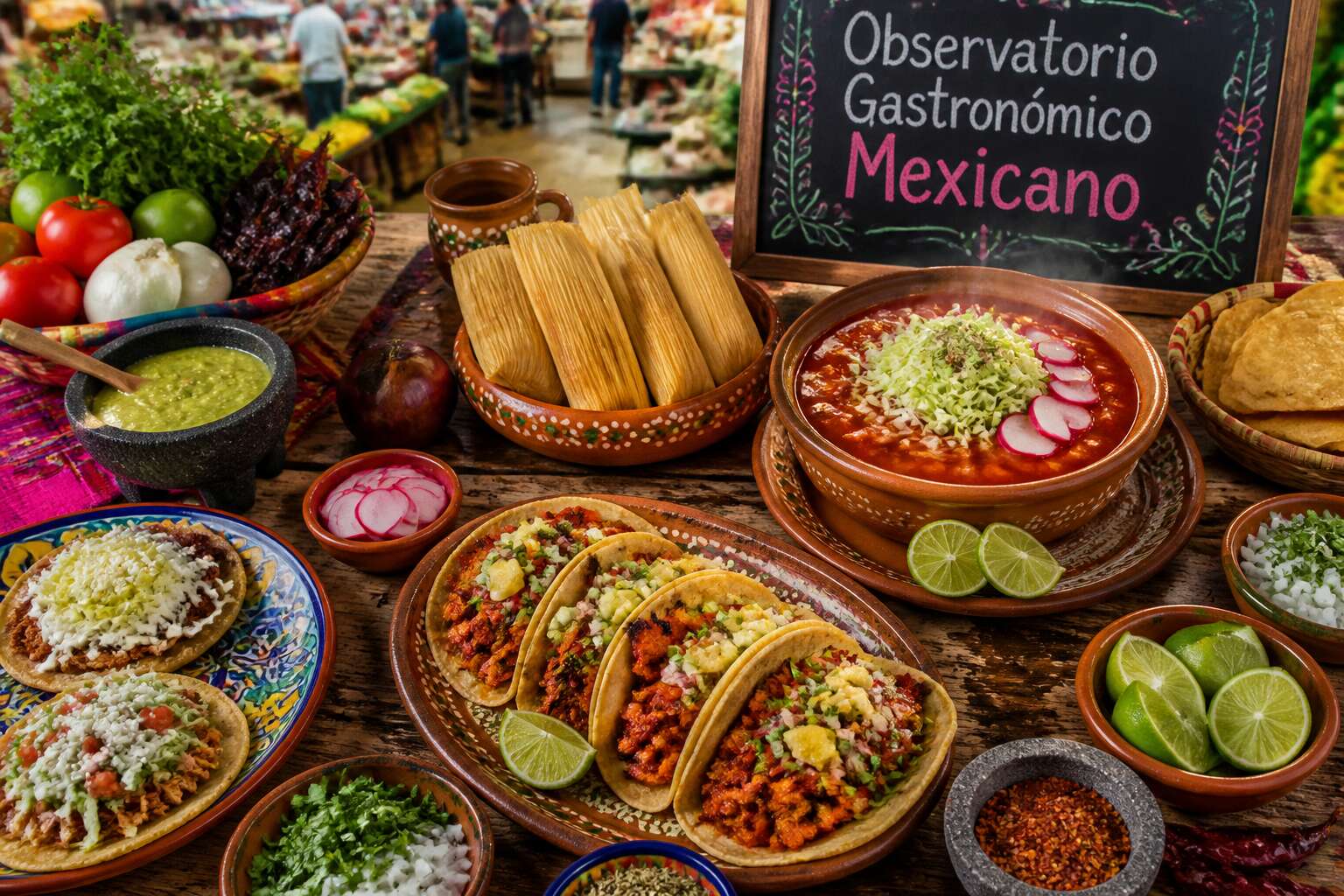
What exactly does a culinary research center do? It tracks ingredients, traditions, and the people who keep them alive. For anyone curious about the mexican food observatory, this role becomes clearer when you see how data meets flavor.
Researchers collect recipes from rural kitchens and urban markets. They record techniques that might vanish without documentation. The mexican food observatory then interprets these findings, turning raw information into stories.
- Archiving endangered dishes
- Mapping regional spice usage
- Interviewing elder cooks
This work matters because food is memory. A single tortilla carries centuries. In South Africa, we understand this deeply, our own culinary heritage demands similar attention.
Core Focus Areas of Mexican Gastronomy Studies
Every year, the mexican food observatory tracks how maize, chillies, and colonial histories collide on the plate. Its core work is not simply archival. Researchers measure the economic weight of street corn versus fine dining, and they watch how migration shifts regional salsas.
Three focus areas anchor these studies:
- Agricultural biodiversity and the genetic lineage of native crops
- Street food economies and their regulatory grey zones
- Culinary nationalism as expressed in cookbooks and state festivals
This last area is particularly charged. Researchers use household surveys and kitchen ethnography, but I find the results most telling when they separate marketing from lived practice. That data often upends clichés about authentic Mexican food, especially when compared to what South Africans encounter in imported restaurants. It challenges the assumption that tacos are just a trend!
Methods Used to Monitor Food Culture Trends
Somewhere between the salsa aisle and the taco stand, an unexpected amount of monitoring occurs. The mexican food observatory doesn’t rely on guesswork or nostalgia. It uses data streams from restaurant reservations, social media geo-tags, and delivery app orders to measure what South Africans actually crave. That data reveals surprising patterns. Peri-peri heat is migrating into guacamole recipes, a fusion nobody predicted when the first burrito chains landed here.
To stay ahead, analysts monitor:
- Search queries for obscure ingredients like epazote or dried chiles
- Local supermarket shelf space allocated to Mexican brands
- Influencer reposts from taquerias in Joburg and Cape Town
These signals form an early warning system. When a trend appears in one suburb, it often spreads to another within weeks. The mexican food observatory spots the shift before it reaches your newsfeed. That is the whole point. You get to enjoy the trend while it still feels novel, not after it has been repackaged and sold back to you.
Sustainability and Economic Impact of Food Observation
Each rand spent on food has hidden costs. The mexican food observatory tracks those costs from farm to fork, with detail that could impress a forensic accountant. In South Africa, where food inflation strains budgets, this scrutiny matters. The observatory turns grocery shelves into reliable data sources.
It focuses on three areas:
- Water usage per kilo of produce, which reveals expenses
- Transport emissions that increase retail prices
- Waste at the retail level, which reduces profit margins
Sustainability goes beyond composting. Observing each ingredient’s journey shows how it affects both the soil and your wallet. The economic impact is what grabs me. When it identifies inefficiency, it locates where money leaves local economies. That information helps small farmers compete with large importers. A taco in Joburg carries market data worth more than the meal itself.
Technological Tools for a Modern Food Observatory
The tools we use to track Mexican cuisine are becoming eerily precise. A modern mexican food observatory relies on much more than taste tests and recipe archives. It pulls real-time data from point-of-sale systems across Johannesburg and Cape Town, tracking which dishes actually move.
We monitor climate patterns too. Chili harvests in Mexico shift with every weather anomaly, and that volatility lands directly on South African menus. The observatory builds a mesh of weather feeds, import logs, and restaurant reviews to forecast shortages. Sometimes we know before the importers do.
Here is the practical stack:
- Satellite data for crop yields
- Social listening tools for menu trends
- Automated price scraping across wholesalers
None of this replaces human judgment. The tools just feed us better information.
Global Recognition and Future Directions
Global recognition for the mexican food observatory has grown steadily. Its data driven approach now influences culinary policy from Mexico City to Cape Town. I have seen chefs and academics consult its archives for authentic techniques.
What makes this observatory remarkable is its insistence on living tradition. It does not freeze cuisine in time. Instead, it maps evolution, tracking how ingredients travel and transform.
Future directions are ambitious:
- Expanding satellite research stations across Africa and Asia.
- Building an open digital repository for regional cooking methods.
- Partnering with local universities to train food historians.
These moves will cement its status as a global standard for gastronomic scholarship. The next decade promises deeper collaboration, not isolation. That is a future worth savouring!



0 Comments