What Actually Goes Into Restaurant Fajitas
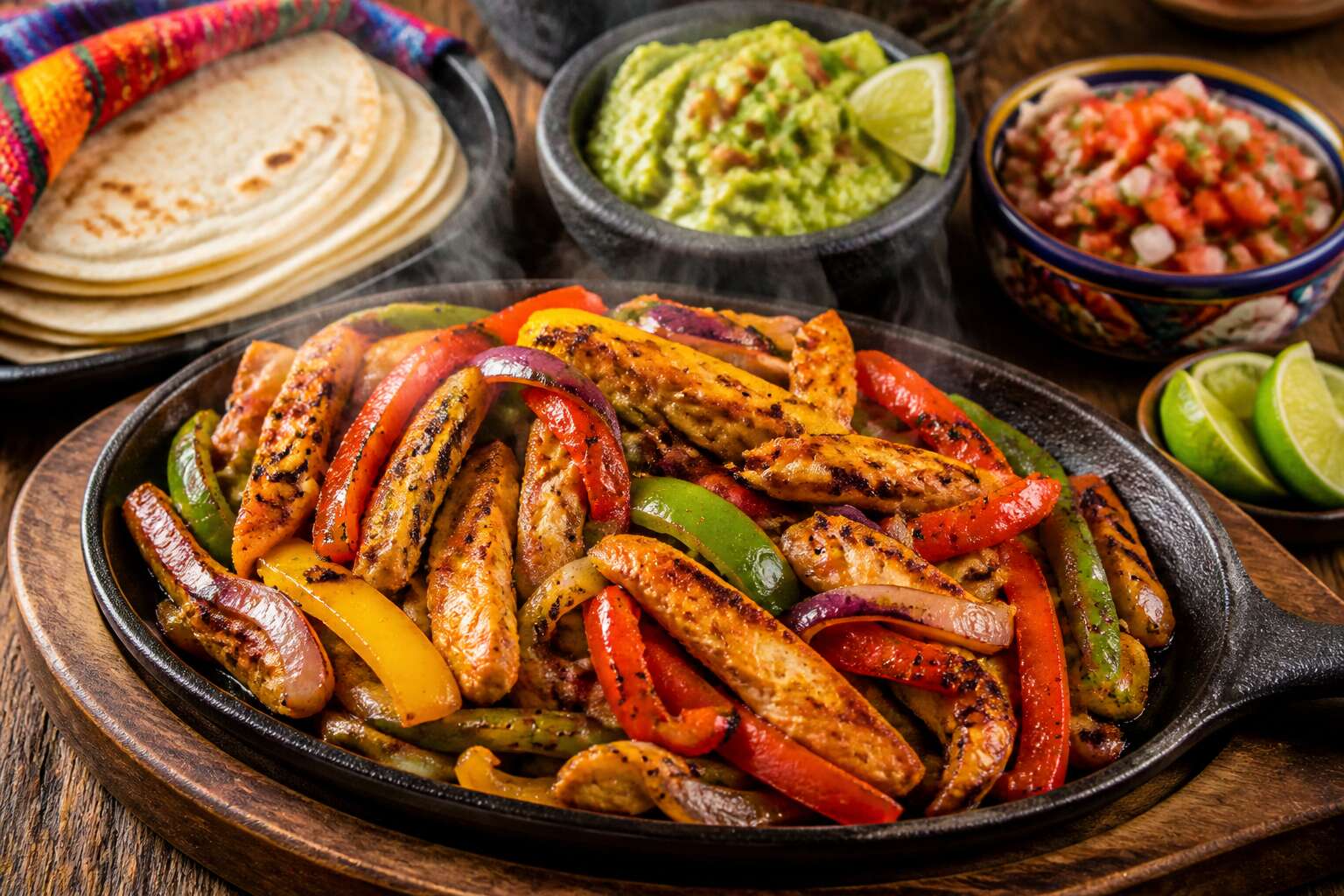
The sizzling platter arrives and suddenly every table nearby turns to stare. But beneath that theatrical hiss lies a more complicated truth about what you are actually eating. Restaurant fajitas are rarely a simple assembly of grilled protein and peppers.
The portions alone are a study in excess. A single platter can deliver nearly a full day’s worth of sodium before you even touch the tortillas.
Consider the core components that typically make up the dish:
– Marinated meat or chicken, often glistening with oil
– Sauteed onions and bell peppers, cooked in butter or lard
– Warm flour tortillas brushed with more oil
– A trio of sides including sour cream, guacamole, and shredded cheese
The cooking process is where nutritional control quietly disappears. To get that char and deep flavour, restaurants rely on generous amounts of oil and salt that you would never use at home. This is the heart of the question, are mexican restaurant fajitas healthy? The answer depends entirely on how much of that pooled oil and sodium you choose to consume. Your perception of a wholesome meal may not match the actual composition on the plate.
The Health Benefits of Fajita Components
The sizzling platter arrives with a chorus of steam. It forces the question, are mexican restaurant fajitas healthy? The answer lies in the components themselves. Grilled chicken breast offers lean protein without unnecessary breading. Peppers and onions contribute vitamin C and fibre. Guacamole delivers monounsaturated fats.
Group these properly and your plate becomes a nutritional win:
- Grilled vegetables for essential micronutrients
- Grilled protein for lasting fullness
- Salsa for antioxidants without the calorie load
The base ingredients are genuinely good for you. The trouble starts with the extras. Tortillas, sour cream and shredded cheese pile on calories quickly. So the health question lands squarely on your table choices. Choose wisely and enjoy every bite!
Hidden Health Pitfalls in Restaurant Preparation
The iron skillet arrives hissing, a theatrical cloud of steam masking what truly happens behind the pass. You ask if are mexican restaurant fajitas healthy, and the honest answer depends on the chef’s quiet decisions. Many kitchens baste the meat in butter after grilling, then finish with a ladle of oil from the sauté pan. That glossy sheen is not flavour; it is liquid fat.
Consider the common shortcuts that add silent calories:
- Marinades heavy on soy sauce or packaged seasonings, loaded with sodium.
- Charred onions and peppers fried in a shallow pool of oil, not a light brush.
- A final sprinkle of cheese and sour cream that arrives as a default, not a request.
I have watched line cooks reheat pre-cooked proteins in a slick of lard. The tortillas, too, often arrive brushed with butter or fried crisp. What seems fresh is simply a performance. The sizzle distracts from the extra oil, and your body pays for that theatre later.
How to Order Healthier Fajitas at a Mexican Restaurant
Most people ignore the steam rising from a fajita platter, but I notice the oil pooling beneath the peppers. That is where the healthiness gets complicated. Ask yourself, are mexican restaurant fajitas healthy? Sure, they contain protein and vegetables, but portion size and preparation often wreck the balance.
Ordering smarter requires a few bold moves. Swap flour tortillas for corn ones. Request your chicken or shrimp grilled dry, without the butter bath. And always say yes to extra pico de gallo.
- Skip the queso, choose guacamole instead.
- Ask for lettuce cups as a wrapper.
- Demand salsa for heat, not hot sauce.
These tweaks cut hundreds of calories while keeping the flavour sharp. I have eaten fajitas every week for a year, and these habits make the dish work for my waistline. The answer to whether fajitas are healthy lies in your hands, literally.
Fajitas vs. Other Popular Mexican Dishes
We order fajitas for the hissing iron skillet. Are mexican restaurant fajitas healthy? The answer appears once you notice the pool of oil at the bottom. Enchiladas are worse, covered in sauce and melted cheese. Tamales contain shortening in the masa. Tacos al pastor look lean, but the marinade adds sugar and fat.
- Fajitas: grilled protein, peppers, onions, less oil.
- Enchiladas: corn tortillas, but heavy sauces.
- Tamales: steamed, but often contain lard.
Fajitas give you control over what enters the fork. Other dishes force the extras onto you. Skip the sour cream and extra tortillas, and you have a reasonable meal!
Healthy Fajita Recipes You Can Make at Home
The sizzle of a fajita platter often hides excess sodium and oil. But are mexican restaurant fajitas healthy? Rarely, when portions grow and sauces carry hidden calories. At home, you control every ingredient. I use a splash of lime and a pinch of smoked paprika instead of heavy oil. Choose chicken breast or prawns, then pile on peppers and onions. Here is what I keep in my fajita arsenal:
- Use corn tortillas instead of flour.
- Add grilled pineapple for sweetness without sugar.
- Finish with fresh coriander and a squeeze of lemon.
That platter becomes a vibrant, lean meal. The best part? It takes twenty minutes and the result is satisfying. You get the full experience without the dietary regret.

0 Comments